
Why Exterior Concrete Sinks and How to Fix It for Good
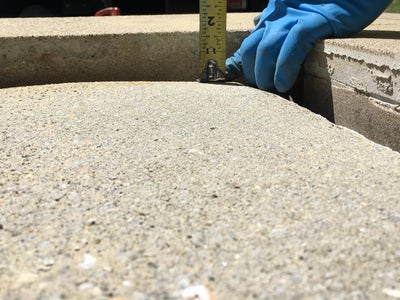
How confident are you in your footing when you walk around your property? Does it feel like you’re navigating an obstacle course or stepping around uneven, sinking concrete that makes your home’s exterior unsafe?
Concrete sinking is a common problem in Indiana, but it’s not something you must endure. Uneven concrete slabs in sidewalks, driveways, and other areas of your property are safety hazards that should be repaired before serious injury or damage results.
Learn why concrete sinks and how innovative concrete lifting techniques ensure the safety of your home and family.
What Does Sinking Concrete Look Like?
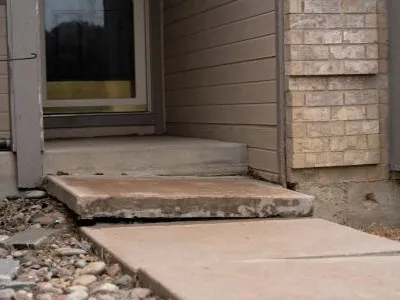
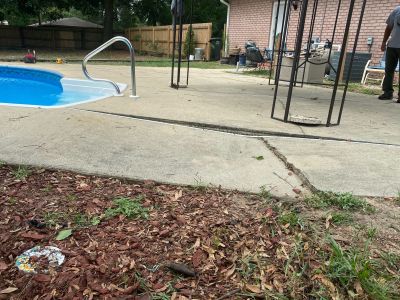
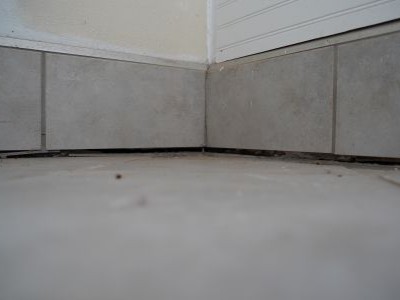
Sinking concrete usually appears as one slab settling lower than the surrounding slabs, creating visible height differences and uneven surfaces.
This can happen in various areas of your property, including:
| Concrete Location | What It Looks Like |
|---|---|
|
Sidewalks
|
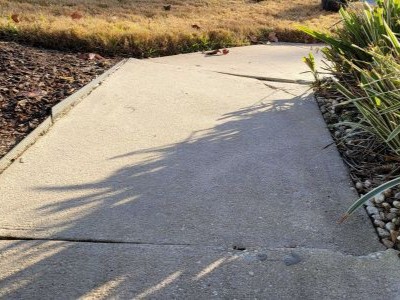 |
|
Driveways
|
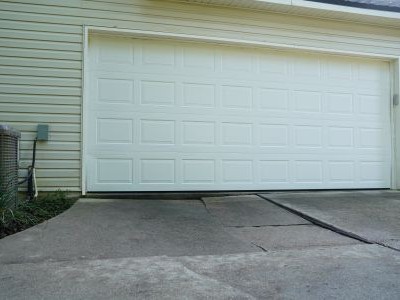 |
|
Patios and Porches
|
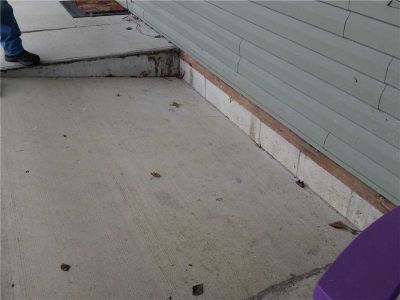 |
|
Steps
|
 |
|
Pool Decks
|
 |
|
Interior Slab Floors
|
 |
Do these images remind you of your house? Don’t hesitate to contact a concrete leveling professional for expert advice and a lasting repair solution.
What Causes Concrete Sinking?
The concrete around your home can succumb to problematic soil and poor installation. Once you spot damage around your property, it’s normal to wonder, “Why is my concrete sinking?”
Understanding why concrete settles is the first step to fixing it for good. Common causes include:
Expansive Clay Soil
Indiana’s clay-rich soils expand dramatically when wet and shrink as they dry, creating constant ground movement. This expansion-contraction cycle exerts pressure on the underside of slabs, causing them to lift, settle, and crack over time. Even minor moisture fluctuations, such as seasonal rain or dry spells, can shift the soil enough to destabilize exterior concrete.
Water: Erosion, Washout, and Softening
Excess water is one of the most common culprits behind sinking slabs. Improper grading, downspouts that drain too close to the foundation, and leaking irrigation lines wash away fine soil particles beneath concrete. As the ground softens and erodes, it can no longer support the heavy weight of the slab, leading to sagging and uneven surfaces that worsen after every rainfall.
Freeze–Thaw Cycles and Frost Heave
When water trapped beneath a slab freezes, it expands and pushes the concrete upward. Once temperatures rise and the ice melts, the softened ground collapses, leaving voids that cause the slab to settle lower than before. Repeated freeze–thaw cycles gradually weaken the soil’s structure, leading to significant long-term damage if left unchecked.
De-Icing Salts and Surface Infiltration
De-icing salts may seem harmless, but they accelerate concrete deterioration by breaking down the surface and widening small cracks. These entry points allow more water to seep beneath the slab, increasing soil erosion and freeze–thaw damage. Over time, this cycle weakens the concrete and worsens the sinking and cracking process.
Poor Compaction and Weak Subbase
When concrete is poured over soil that hasn’t been properly compacted, the ground beneath remains loose and unstable. Over time, vibrations from traffic, temperature shifts, and natural settling compress the soil unevenly, creating voids. These gaps allow concrete to sink or crack, especially along driveways and sidewalks near new construction or utility trenches.
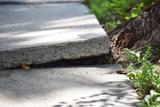
Trees, Organics, and Burrowing Animals
Tree roots often absorb large amounts of water from the soil, causing it to shrink and lose its ability to support the slab. Later, when roots die and decay, they leave empty voids beneath the concrete. Additionally, burrowing animals such as moles or groundhogs can tunnel through the soil, further destabilizing the ground and contributing to uneven settlement.
The longer a slab remains uneven, the faster its edges break, joints widen, and water flows toward your foundation. Early intervention reduces trip hazards, protects curb appeal, and prevents other damage.
How Do I Repair Sinking Concrete?
Sinking slab repair is best accomplished with professionally installed concrete lifting materials. Common techniques such as mudjacking, self-leveling concrete, and replacement are temporary fixes that do not address the problem at the source.
Indiana Foundation Service installs a more reliable, long-lasting, and versatile solution: polyurethane foam injections. After drilling penny-sized holes into the affected concrete, we inject this lightweight, durable foam beneath the slabs. As the foam expands and solidifies, usually within 15 minutes, it raises the sunken slabs back to their proper level.
The eco-friendly foam won’t wash out or settle, so you can count on it to keep your home’s concrete surfaces stable for years to come.
Other Concrete Protection Methods
After we repair your sunken concrete slabs, it’s important to protect them with proper drainage, maintenance, and other efforts, including:
By staying proactive, you can significantly reduce the risk of future concrete settlement. These simple preventative measures help extend the life of your exterior concrete and protect your home’s value.
Trust Indiana Foundation Service for Your Sinking Concrete Repairs

Sinking exterior concrete isn’t just a cosmetic concern; it’s a sign that the soil beneath your home needs attention. From erosion to freeze–thaw cycles, understanding the causes helps you take the right steps to restore and protect your property.
Indiana Foundation Service provides long-lasting, professional concrete lifting and stabilization solutions tailored to Indiana’s unique soil conditions and your home’s repair needs. Schedule a free inspection today to restore safety, curb appeal, and lasting peace of mind.
Concrete Sinking FAQs
Mudjacking may improve the appearance of settled concrete in the short term, but it often fails to resolve the root causes like unstable soil and water erosion. As a result, you might need repeated treatments if the ground continues to settle.
Sinking concrete slab repair costs vary based on slab size, damage severity, and repair methods. Indiana Foundation Service provides free inspections, estimates, transparent pricing, and flexible payment options. Contact us for more information and an accurate cost breakdown.
We customize our solutions to suit your needs. Installation times vary depending on factors such as the extent of the damage, the type of repair, and the amount of product used. Our PolyRenewal™ system can lift sunken concrete sections in as little as 15 minutes. The entire repair process usually requires less than one day for completion. Contact Indiana Foundation Service for a free inspection and an accurate project timeline.

Holly Richards-Purpura
*Disclaimer: “Concrete leveling” means the process by which cracked, uneven concrete is stabilized, and in many cases lifted, by means of PolyRenewal™ polyurethane foam. Indiana Foundation Service does not guarantee that PolyRenewal™ can make your concrete perfectly level.
Publish Date:
Last Modified Date:
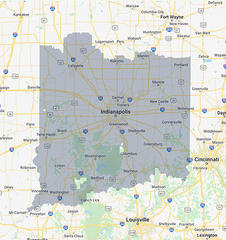
Our Locations
624 North Front Street
Whiteland, IN 46184
2731 Albright Rd
Kokomo, 46902
8 N 3rd St
Lafayette, IN 47901