
Trees & Tree Roots
While your landscaping may seem disconnected from your foundation, trees, and their roots can play an immediate and damaging role. Check out precautions you need to take.
Get Your Free EstimateAs lovely as they may be, trees can cause a lot of damage to your home’s foundation. Many homeowners believe that foundation walls, which are usually made of concrete, are difficult to break. However, tree roots are able to extend to the point of putting a lot of pressure on your foundation walls.
Yes, a beautiful tree will make your front yard look lively and interesting, but you should also consider the effects it has on the structural stability of your home. While it is important to maintain a visually pleasing property, damaged foundation walls will eventually begin to ruin the aesthetic of your home as well.
However, this doesn’t mean that you need to cut down the tree itself. You can still protect your foundation and grow a lovely tree. You just need to understand how tree roots work. Here’s everything you need to know about how trees affect foundations.
Trees, Tree Roots, and Foundation Damage Causes
The trees you have on your property can severely damage your home’s foundation. Many believe that this is because the tree roots themselves are breaking through the foundation walls, but it actually has to do with the surrounding soil.
Tree roots are constantly growing and expanding as they search for water and nutrients so the tree can live. As they grow, the roots push the soil together, causing it to compact and become denser. The compacted soil pushes up against the foundation walls and exerts enough pressure to crack the wall. This is how tree roots destroy your foundation.
- The Soil
How much damage is done and how quickly the soil destroys the foundation heavily depends on how much clay content is in the soil itself. Clay soils, also known as expansive soils, are those with large amounts of clay content. Soils in general are made up of a lot of different materials, but the more clay in the soil, the more water it’s able to absorb.
Part of the reason clay soils are used as foundation soils is that they compact easily. When soil compacts, it becomes denser and tougher, making it perfect for foundation stability. However, this ability to become dense easily becomes a problem when a tree is involved.
When tree roots grow, soil is pushed out of the way to make room for the roots. Since clay soils effortlessly pack together, it’s very easy for tree roots to push enough soil that it presses up against the foundation of your home. Too much pressure from the soil will eventually cause the wall to bend, crack, and break.
Other kinds of soils are a lot looser, so the roots just displace the soil without pressurizing it together. Of course, this doesn’t mean that you will be safe from foundation damage just because your soil has little clay content. As a homeowner, it’s important for you to know the kind of soil your foundation has. This will help you understand the kind of treatment you need to give your yard in order to avoid the problems caused by each type of soil.
The official state soil of Indiana is the Miami soil, which is a loamy kind of soil. Loam soil is a mix of sand, silt, and clay. Sand is loose, has large particles, and allows a lot of water and air to flow through due to its inability to compact well. Clay has small particles, expands easily, and doesn’t allow air or water through easily due to how dense it can be when compacted. Silt is a combination of the two soils.
However, just because Indiana soil is made up primarily of loam, it does not mean that your foundation is made of loam soil. Loam is primarily used for agricultural purposes. Many site managers prefer clay soils because they are easier to manipulate, which saves a lot of time. For this reason, it’s best you contact a professional to assess the kind of soil you have on your property.
- Tree Roots
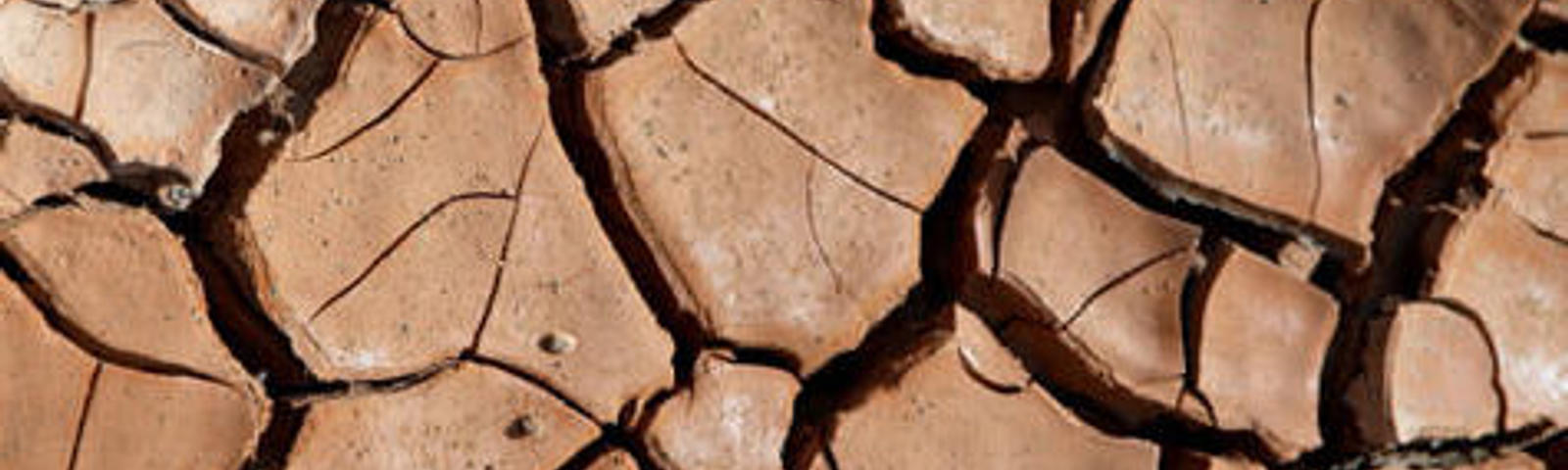
Apart from compacting the soil and pushing it up against the foundation, tree roots also cause problems because they soak up the moisture from the soil. This is a major problem because when all the moisture gets soaked up, the soil compacts. When the soil comes closer together as it dries, it often leaves a small gap of some sort.
Once the soil dries and leaves a gap, it never goes back to the way it was before. Even if the soil expands and fills the gap, there will always be some part of the soil that was displaced. This displacement means that the soil supporting your foundation, front steps, and driveway is not as dense as it was before. If the gaps and displacement are significant, eventually, the concrete will settle.
If you want to keep the tree in your yard, you have a bit of a tricky situation in your hands. You need to keep the tree roots from soaking up all the moisture in your soil, but you need to also be careful not to saturate the soil with too much water.
Depending on the tree, watering the stump daily to keep the roots from drying your soil might not be enough. You need to look up the kind of tree you have in your yard because some trees need a lot more water than that to survive. With these particular types of trees, the damage from dry soil is very apparent, but you can’t solve the problem by simply overwatering your lawn.
- The Seasons
Depending on the season, tree roots behave differently. During dry seasons and droughts, the roots shrink because the tree doesn’t get enough water to grow out its roots. While this may seem like great news because it means the roots won’t compact the soil, it doesn’t mean that your foundation won’t be impacted.
Dry soil is a huge problem because of the displacement that occurs when there’s soil shrinkage. Soil shrinkage causes settling, which is when the foundation can no longer support the house, causing it to sink to the ground.
During dry months, homeowners should make sure to water both trees and bushes to avoid dry soil. In Indiana, the driest month is February.

What Happens If My Foundation Is Damaged?
Foundation damage is something that is really difficult to detect until significant harm has been done to the structural integrity of your home. Foundation issues occur over a long period of time and the very first problem signs are usually invisible because they happen underground. This is why it’s important to learn as much as you can about the kind of soil you have and the effects it can have on your home.
If you have a basement, it’ll be easier to spot the signs of foundation damage. Basement walls will suffer from concrete pitting and spalling and will also have many cracks, be it hairline cracks or deep, prominent gaps. Basement flooding and leaks will be a lot more frequent as the walls will no longer be able to hold back any underground moisture.
If the foundation damage is a long-standing issue, problem signs will eventually begin to appear upstairs. Jammed doors and windows are common issues since the house is tilting and settling unevenly toward one side. This will warp any frames around the house. Cracks and bent walls are also a sign since walls can’t stand the pressure caused by a settling house.
Due to all the cracks and gaps now appearing in your foundation walls, there will be more water getting inside your home, which means more humidity. With humidity comes mold growth, which is something you need to look out for in your basement concrete, drywall, and wood. The same goes if all you have is a crawl space.
You can check for outside damage too. There are some trees that grow branches that are visible from the outside. If these branches are destroying your driveway or any other external part of your house, it’s very likely that the branches are close enough to harm your foundation. The bottom part of your home should also be inspected for damage, since that’s the part of the house that usually shows the first signs of foundation damage. Broken bricks, large cracks, fallen pieces, and general deterioration are good indicators.
Do I Have to Cut My Tree Down?
Just because a tree can cause foundation problems doesn’t mean it needs to be cut down. Foundation issues due to soil can happen regardless of whether or not you have a tree on your lawn. Soil doesn’t stay in its place forever nor does the moisture content remain the same. Earthquakes, heavy rain, flooding, and nearby construction work are all things that have the ability to displace soil and set in motion severe foundation damage.
If you want to keep the tree on your lawn but also want to protect your foundation, you can start by informing yourself of the kind of tree that you have. Is it deep-rooted? How much water does it absorb? How long do the roots extend? You need to find out as much as you can so you know how to deter the roots from doing too much damage while also keeping the tree healthy and alive.
Next, you should know the kind of soil you have. Depending on whether or not it’s expansive, you might need to make extra changes around your home. Extending downspouts, re-grading your yard, and installing drainage pipes are all helpful methods of preventing soil expansion.
It’s important that you try to prevent soil expansion as much as possible because it increases the chances of hydrostatic pressure. Add the pressure from the tree roots, and your foundation walls won’t stand a chance.
You should also know that older houses tend to suffer from foundation problems more often than newer houses. This is because the foundation itself is a lot shallower, which makes it less stable. Homes with full basements also have fewer issues. Knowing how susceptible your house is to foundation damage is important because it will help you estimate how much time you have to make the necessary changes to protect your foundation.
Last but not least, you’ll definitely want to contact a foundation repair company to inspect your property. There could be some things you’re missing that contribute to foundation problems, so it’s best to get a professional to take a proper look.
Trees & Tree Roots
FAQs
The first step is confirming roots are the actual cause of your foundation issues, which requires a professional inspection. If you choose to keep the tree, root barriers and careful planting of slow-growing species can minimize damage. If removal is necessary, options include professional cutting or using herbicides, but both should be done safely to prevent ongoing issues.
Your foundation’s vulnerability depends on the type of tree or bush, its distance from your home, and seasonal conditions. Fast-growing species like elms and silver maples, or trees planted within 20 feet of your home, pose the greatest risk. Older homes, poor drainage, and expansive soils increase the likelihood of root-related foundation damage, so regular inspections are key.
If you fear it’s too late and the damage has been done, or you fear to get to that point, you might be wondering what your options would be. There are many things that can be done to both repair and prevent foundation damage due to tree roots.
The most effective solutions are the ones provided by foundation repair experts, because not only do they have tools to do the job properly, they have the experience necessary to make sure nothing is overlooked.
- Prevention
Waterproofing your foundation is the best thing you can do for your home’s structural well-being. Vapor barriers won’t stop root growth and soil compaction, but they will deter water from ruining your foundation. If you have a basement, waterproofing is a process that’s a bit more extensive. Besides the vapor barrier, insulation panels are also applied, and if you want to go the extra mile, sump pumps and industry-standard dehumidifiers will make sure your basement stays as dry as the upper parts of your house.
Getting professional assistance to make sure all your bases are covered will save you a lot of time and money in the future. Your foundation is the most important part of your house, so you would do well to take as many preventative measures as possible.
- Repairs
If the tree roots got to the foundation before you did, fret not. Foundation repair experts have multiple solutions to the multiple problems that come with foundation damage. For bowing walls, channel anchors are used to stabilize them again from both the top and the bottom. As for settling issues, one of the most effective ways to not only repair the issue but future-proof the house is the use of helical piers. These piers are installed under and against your foundation, effectively lifting the foundation back into place and preventing the house from settling again.
Call Indiana Foundation Service for Foundation Repair
Home repairs can be taxing on a homeowner. Not only do you have to worry about the state of your home, you also have to worry about how well the contractors do the job. Luckily for you, Indiana Foundation Service is just a phone call away.
Since 1993, we’ve been providing the homeowners of Indianapolis, Indiana, with reliable, innovative, permanent solutions. In our hands, once something is repaired, you won’t have to worry about it again. Whether it’s foundation repair, stabilization, or preventative installations, we’ve got you covered.
All you have to do is call us or use the online contact form on our website and we’ll send a field agent to inspect your home. The inspection is completely free of charge and a price estimate is given that same day.
Our Foundations Experts can Help You
Schedule Your Free Inspection
Explore more damage causes
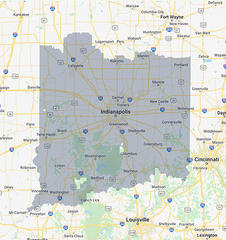
Our Locations
624 North Front Street
Whiteland, IN 46184
2731 Albright Rd
Kokomo, 46902
8 N 3rd St
Lafayette, IN 47901