
Does Cold Weather Damage Your Foundation? Here’s What to Know

When it comes time for home winterization, Indianapolis homeowners may not think about their foundation. The ugly truth is that this part of your home is at risk of damaging effects from serious cold and precipitation. Cold causes the structural support to shrink, and precipitation worsens existing problems like cracks.
Let’s look at ways the cold affects your foundation and how you can protect the ground beneath your home from snow, ice, and frost this winter.
What Are the Effects of the Cold?
Many awful things can happen to your foundation once the temperature falls. During the winter, the soil absorbs moisture from rain and melting snow. Temperatures also swing wildly. The cold temperatures freeze moisture, so it won’t evaporate or fully soak into the soil. This water causes the soil to expand and heave.
Frost heaving is a common problem during this time, and it creates unstable soil. Heaving is responsible for destabilizing the foundation, leading to foundation cracks and uneven foundation settlement. The extent of damage increases if temperatures drop below 40°F and remain there for at least three consecutive days.
Heaving happens when there are freezing temperatures, frost-susceptible soil, and water or moisture. Usually, the ground starts freezing from the top. Because the frozen part of the ground is harder than the unfrozen part, it locks your foundation in place. As the freezing progresses downward, it causes the underlying soil to expand and push the top layer. This upheaval creates gaps and spaces in your foundation.
Snow Damage Explained: What Happens After the Snowmelt?
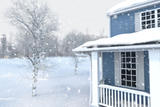
Let’s take a closer look at a top wintertime damage culprit: snow and the resulting snowmelt.
Indianapolis averages 25.5 inches of annual snowfall, most of which falls between December and February. Snow piles up on roofs, driveways, and around foundations, and partial thaws create saturated ground that refreezes overnight. This cycle forms ice on roofs and in gutters, leading to dangerous icicles and ice dams that block drainage and force water back onto your home.
On average, 10 to 12 inches of snow equals about one inch of water. On a typical roof, that can mean anywhere from 1,000 to 5,000 gallons of water waiting to melt. Unlike rain, snow sits for weeks, building up a massive water load around your home and yard.
The Snowmelt Problem: The Clay Bowl Effect and Hydrostatic Pressure
When thawing begins, melting snow pours over frozen soil and pools at the surface, often near the foundation. Saturated soil below also channels water back toward basements and crawl spaces through the “clay bowl effect,” where loose backfilled soil around the foundation funnels water inward.
As snowmelt soaks the soil, it creates hydrostatic pressure against walls. Water seeks the lowest point, seeping through cracks or even creating new ones, threatening your foundation’s stability.
How Can I Protect My Foundation in Winter?
With all the ways winter can take its toll on your home, you may wonder, “How to protect my home’s foundation from winter damage?” Implementing the following measures helps minimize the effects of the cold and runoff and protect your foundation.
Seal Cracks and Gaps
We tend to overlook small cracks, forgetting they have the potential to widen during the freeze and thaw cycle. If there are foundation wall cracks, ask your local foundation expert to inspect and repair them. This way, you’ll prevent foundation damage and water infiltration.
Waterproof with Interior Drains and Sump Pumps
Water can wreak havoc on your foundation’s stability and your home’s health. Keep water out with interior drainage systems and sump pumps. Indiana Foundation Service offers specific systems for basements and crawl spaces, allowing for targeted protection.
Repair Gutters and Downspouts
Make sure your gutters are in good shape so they can do their job properly in winter. Clear debris or dirt, as these can obstruct water flow. Adjust the downspouts properly and make sure any water that flows from them goes away from your home. When they’re functional, gutters and downspouts will protect your foundation by keeping rain and melting ice away from it.
Regrade the Soil
Aid gutter and downspout drainage by regrading the soil so it slopes away from your house. Otherwise, soil that slopes towards your foundation allows water to collect, contribute to hydrostatic pressure, create wall cracks, and leak inside your home.
Control Humidity
Turning off the dehumidifier may seem like the right thing to do when winter arrives. But you’re forgetting that precipitation and melt-offs are common. Excess humidity can ruin your foundation and its walls in winter. To avoid problems, leave the dehumidifier during the winter period. Make sure the device is at its lowest setting so it can activate when humidity becomes a problem.
Other Measures
Cold weather in winter is a leading cause of foundation and crawl space problems. If you have a crawl space, enclose it with a plastic vapor barrier. This liner locks out moisture, drafty air, and pests that can damage your crawl space.
Additionally, check the water faucets on the outside and garden hoses to make sure they’re off and not leaking. Avoid turning on a frozen pipe in winter, as it can cause water to leak.
Want a handy snowmelt preparation checklist?
Indiana Foundation Service Can Help You Protect Your Home From Winter Woes

Snow and ice might look picturesque, but the melt can wreak havoc on your foundation. By managing buildup and preparing your drainage systems, you can prevent costly water damage and keep your basement or crawl space dry all winter.
If you take precautions now, you will avoid the frustration of dealing with moisture and water issues when it’s freezing outside. Contact Indiana Foundation Service today to schedule a free foundation inspection and repair quote. We will perform the necessary repairs and help you weatherproof your foundation so it won’t deteriorate during winter.
Winter and Foundation Damage FAQs
One of the many dangers of clay soil is hydrostatic pressure. As soil expands and absorbs water, it flows until pooling along the side of your foundation. All that water puts an incredible amount of pressure on the foundation. Because so much water is pushed up against the concrete walls, it begins to bow inward. All this pressure slowly breaks the wall down, resulting in many cracks along the wall, warping window frames, and excessive leaking.
When your home sustains foundation damage, which is typically caused by unstable underlying soil, it often shows up throughout your home in many ways. These issues can co-occur with and lead to other types of home damage, such as in your basement or crawl space.
If you notice any of these signs, it’s important to have your home professionally inspected and repaired right away.
- Basement wall cracks
- Inward basement wall bowing
- Drywall cracks or nail pops
- Sagging, uneven floors
- Floor and wall gaps
- Sticking windows and doors
- Exterior brick cracks
When a pipe freezes, you’ll notice signs such as reduced water flow, strange odors from drains, or frost on visible pipes.
Related Resources


Holly Richards-Purpura
Publish Date:
Last Modified Date:
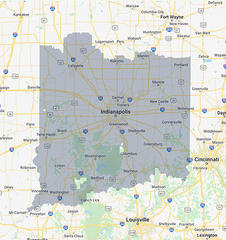
Our Locations
624 North Front Street
Whiteland, IN 46184
2731 Albright Rd
Kokomo, 46902
8 N 3rd St
Lafayette, IN 47901