
Your Step-by-Step Guide to Basement Damage Insurance Claims

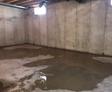
If you’ve experienced damage to your home, like basement flooding, you know it’s no fun at all. Then comes the intricacies of filing an insurance claim.
We understand how stressful the process can be, and we want to alleviate your fears.
In this article, we provide insight into filing that claim, information on flood insurance, and critical steps to protect your family.
Prioritize Safety
Of course, your first thought during flooding is how to recover and clean up. But before you rush into the basement to start cleaning up, you absolutely must address all the potential safety issues.
- Turn Off the Electricity: Electricity isn’t restricted to your home wiring, particularly when your basement is flooded. Once floodwater comes in contact with outlets, appliances, and extension cords, it blows the circuit breakers or waits for you to enter the floodwater. Turn off the main circuit breaker. If that’s in the basement, call an electrician for assistance.
- Watch for Natural Gas Leaks: Shifting basement walls can cause cracks or even break the natural gas pipe. The resultant gas leak is an explosion hazard. If you smell gas, leave the home immediately and call the gas company.
- Avoid Sewage Backup: The sewage drain pipe can also break due to shifting foundation walls. Yet another hazard is backing up into your basement due to the flooding. The contaminated water in your basement is a health hazard. Don’t enter the floodwater before calling a plumber for assistance.
- Beware of Structural Failure: Shifting foundation walls due to flooding can also become a potential structural failure. That could cause injury or death, no matter where you are in the house. It’s important to keep clear until your home has been determined to be structurally sound.
The bottom line: Don’t enter the floodwater until you’ve dealt with all the potential hazards.
How to Handle Insurance Claims: 6 Essential Steps
Here are the key steps to file an insurance claim for basement flooding or foundation damage.
1. Document the Damage
As soon as possible, write down what happened and when. Then, walk through the damage, adding notes on key items. Take photos to support your observations. Add them to your notes.

2. Contact Your Insurer
Get in touch with your insurance provider to advise them of the damage and review your policy details. They can provide insight into what’s covered and what isn’t. We’ve included information below on separate flood insurance coverage.
3. Check Your Damage Notes
Double-check your notes by getting another set of eyes on them. Have them check the details and review the damage to ensure you’ve captured everything. They may also be able to offer hints that will add clarity to your notes.
4. File Your Insurance Claim
Use your insurer’s online claims system, smartphone app, or paper forms to file your claim. Most policies cover building damage separately from personal property losses. That means you must file two claims to cover all the damage. Receipts for appliances, electronics, and computers can be very helpful.
5. Work with the Insurance Adjuster
Fully cooperate with the insurance adjuster assigned to the claim. Provide them access to your home and fill them in on what happened and the damage you see. Review their final report to make sure they’ve covered everything. They may find things you’ve missed.
6. Determination of Payout
Your insurer will now compile the information, compare it to your policy coverage, and issue payment. This will be minus any policy deductible.
For further information, FEMA has a helpful guide on How to File a Flood Insurance Claim.
Want to keep this checklist handy?
Insurance Insights: What’s Covered and What Isn’t

Homeowner’s policies typically cover damage from water sources within your home. That means burst pipes and leaks from a water heater, dishwasher, or washing machine. It also applies to overflow from sinks and baths.
Damage to basements or foundations caused by heavy rain, storms, mudslides, sinkholes, or underground water seepage isn’t covered. Instead, you’ll need separate basement flood insurance to cover these hazards.
Consider Additional Flood Insurance
Your insurer may offer supplemental flood coverage. Check with your insurance agent. You can also access FEMA’s National Flood Insurance Program. See the FEMA Flood Map Service Center, where you can map your property to determine flooding risks and purchase insurance.
To add some perspective on flooding in our state, the First National Flood Risk Assessment estimated that 282,500 properties in Indiana are at substantial risk of flooding. In addition, the FEMA flood insurance program has seen 158,300 claims in our state since 2000.
To give you some perspective on the damages that come with flooding, FEMA has provided a cost of flooding calculator. Selecting a 2,500-square-foot one-story home and only one inch of water, the estimated damage is $26,807.
Trust Indiana Foundation Service for Basement Flooding Prevention

Once you’ve experienced a basement flood or other damage, you don’t want to go through it again. There are several things you can do to prevent these issues, which we’ve outlined in our blog about what to do when your basement floods. These include maintaining proper exterior drainage and waterproofing your basement with drains and sump pumps.
When considering options for preventing basement flooding or foundation damage, it’s a good idea to get professional advice. You can count on Indiana Foundation Service for quality solutions and lasting protection. Contact us today to schedule a free inspection.
Basement Flooding FAQs
Common causes include heavy rainfall, poor drainage, foundation cracks, sewer backups, and faulty sump pumps.
Yes, it can lead to structural damage, mold growth, and decreased property value if not addressed promptly.
Absolutely not. While basement flooding is a common occurrence, it shouldn’t be considered standard or acceptable. Numerous pathways exist for water to infiltrate your basement, and a widespread misconception suggests that basement moisture is an inevitable aspect of ownership. This notion is false—any water presence in your basement, whether minor or severe, warrants immediate attention and concern.
Related Resources



Holly Richards-Purpura
Publish Date:
Last Modified Date:
Our Locations
624 North Front Street
Whiteland, IN 46184
2731 Albright Rd
Kokomo, 46902
8 N 3rd St
Lafayette, IN 47901