
What to Do When Frozen Pipes Burst: 9 Essential Steps
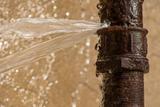
Some people yearn for snow and cold, and others dread chilly winter months because of all the problems they cause. And rightly so; your home can greatly suffer during the winter because that’s when pipes easily freeze, burst, and unleash a wave of water and damage.
Don’t be caught off guard this winter. We’ve compiled a list of nine things to do when frozen pipes burst, and we’ll share how to prevent it from happening again with home protection tips.
Why Do Pipes Freeze and Burst?
Water pipes burst in winter due to freezing and expansion of water, a phenomenon that gradually exerts pressure on the pipes. This happens when the temperature of the air surrounding the pipe falls, and the heat from the water inside escapes to the outside. As the heat gets transferred to the cold air, the water temperature drops below 32°F, the point at which it starts to freeze. The pipe breaks and bursts when the pressure becomes too much to contain. The affected pipe will rupture at its weakest point. In most cases, it’s the joints and uninsulated parts that burst.
Since a burst pipe is a potentially destructive problem, you have to act fast to minimize damage or loss when it happens.
What Should You Do After a Frozen Pipe Bursts?
In case of frozen pipe bursts, you need to act fast. Follow these essential steps:
1. Stop the Water
The first thing you should do is shut off the main valve to cut off the water supply to the rest of the home. Then, run all the faucets to relieve the pressure that may be building inside your plumbing lines.
2. Thaw the Pipe
If water isn’t coming out of a particular faucet or flowing to the toilet in your home, warm the connecting pipe. Use a hairdryer to thaw it. Start at the faucet, then slowly move out to the rest of the frozen pipe.
3. Check for Leaks
Once you thaw the pipe, turn the water on, then try to spot any leaks. Listen for leaks and visually inspect the pipes in other areas like your basement, attic, or crawl space. Identifying leaks can help stop simple water problems from turning into costly water damage.
4. Call A Plumber
A burst pipe can wreak havoc in your home in a short time. To limit the extent of water damage, call a plumber to investigate the issue further and let them fix the ruptured pipes.
5. Shut Off Electricity
If water damage has occurred because of flooding, cut off the electricity supply to that area. You might need to shut off power to your entire home if you’re unsure of the location of water damage.
6. Slow Down Water Leaks
Once you identify the source of leaks, use plumbing tape or rags to slow down dripping. Leaks can damage drywall, ruin the floor, and set you back hundreds of dollars in repairs.
7. Document the Water Damage
If your home is insured against severe water damage, you also want to make sure you take stock of the damage that has occurred and use it to file an insurance claim. Take photos of the water-damaged area, especially the floor, walls, ceiling, and your belongings, then contact your insurance agent as soon as possible.
8. Mop Up Excess Water
Don’t let any water linger on the floor or other surfaces longer than necessary. Excess water can cause damage and create the perfect conditions for mold and mildew growth. Mop up puddles using a rag or a wet/dry vacuum.
9. Protect Your Belongings
Move clothing, furniture, carpets, and appliances away from the source of the water leaks.
How Can You Protect Your Home After a Frozen Pipe Burst?
Once you complete the frozen pipe repair, do the following to avoid a repeat:
- Install waterproofing solutions, including a sump pump, to remove water and moisture.
- Maintain indoor temperature at least 55°F.
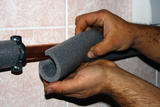
- Insulate your exposed water pipes, attic, and crawl space.
- Seal cracks, holes, or spaces to keep out freezing air.
- Leave your faucets dripping to prevent pressure buildup.
- Open kitchen or bathroom cabinets to allow warm air circulation around your pipes.
Local Pros Help Protect Your Home from Water Damage
Frozen, burst pipes don’t have to be a death sentence for your home or belongings. If a pipe burst happens in your basement or crawl space, the local pros at Indiana Foundation Service can help contain that water with solutions like interior drains and a sump pump.
Follow these tips and protect your home today with trusted solutions! Contact Indiana Foundation Service to schedule a free inspection and repair quote!
Frozen Pipe FAQs
Pipes in unheated areas like basements, crawl spaces, and exterior walls are most vulnerable.
When a pipe freezes, you’ll notice signs such as reduced water flow, strange odors from drains, or frost on visible pipes.
While not directly, moisture management solutions like interior drainage, sump pumps, and dehumidifiers can improve insulation and reduce moisture, lowering the risk of freezing.
Related Resources

Holly Richards-Purpura
Publish Date:
Last Modified Date:
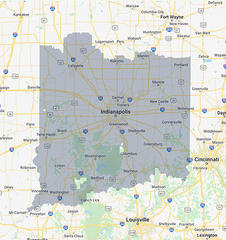
Our Locations
624 North Front Street
Whiteland, IN 46184
2731 Albright Rd
Kokomo, 46902
8 N 3rd St
Lafayette, IN 47901