
Dealing With Dangerous Mold In Your Home
Molds are part and parcel of the ecosystem you live in today. However, that doesn’t mean that you have to let mold take root in your home.
If your home is unusually damp, or you’ve recently had to deal with a leak, mold particles may migrate into your home via that damage and settle down. If they have ready access to high levels of moisture and an undisturbed place to grow, they can rapidly develop into clusters that can not only lower your quality of life but also compromise your health.
Learn about dangerous house mold, what causes it, where it grows, and how to stop it in its tracks.

Want to keep this list handy?
» Download printable PDF
What Does It Mean If You Have Mold In Your Home?
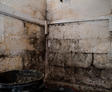
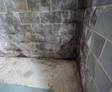
Mold is a problem on its own, but it can also indicate larger structural problems throughout your home. Mold loves to grow in damp areas. So, if you’re finding mold in your basement or crawl space, it’s more than likely that you have a leak on your hands.
Mold removal specialists are the best choice for ridding your home of this hazard, and it’s important to work with a foundation, basement, or crawl space repair expert to determine what kind of problem allowed that mold to fester in the first place. The professionals at Indiana Foundation Service have you covered. We’ll inspect your home and provide you with a quote on potential repair services free of charge.
What Mold Can You Find Indoors?
What kinds of mold do you have to be on the lookout for? There are many branches on mold’s family tree. Some of the most common molds to make their way indoors are:
- Cladosporium
- Penicillium
- Alternaria
- Stachybotrys chartarum
Cladosporium, Penicillium, and Alternaria all impact your health, but to a lesser degree than some of their more aggressive cousins. These molds can tamper with the quality of the air in your home and make you more prone to respiratory diseases.
Comparatively, Stachybotrys chartarum, or black mold, is a big problem. Black mold can cause severe health problems in residents of all ages and compromise the structural integrity of your home. If a professional discovers black mold in your home, you’ll want to visit your local doctor as soon as you can, while letting experts clear your home out for you.
How Do You Get Mold Out Of Your Home?
Many people try their hands at DIY removal tips they found online or heard from friends. Common methods include scraping the mold cluster off the walls and applying chemicals like bleach or vinegar. We caution you that this can be hazardous (especially if certain chemicals are mixed) and futile.
DIY methods may work temporarily, but they do not address the cause of the mold. Plus, you risk exposing yourself to toxins and developing health issues.
It’s best to let mold removal professionals deal with the growth, especially black mold. This type of mold can be dangerous to work with if you don’t have the proper tools on hand.
How Do You Prevent Dangerous Molds in Homes?
Whether you’ve just cleared out your home or you want to take steps to keep clusters from developing in the first place, you’re in luck. There are several steps you can take to limit the chances of mold damage and growth in your home. These include:
- Moving air through your home
- Keeping the air vents in your home clean
- Removing excess moisture with a dehumidifier
- Treating leaks promptly
- Investing in waterproofing measures for your home
While you can implement these tips on your own, it’s important to have a professional inspection so you know what you’re up against and are best equipped to protect your home.
Professional Mold Prevention Solutions
Our team at Indiana Foundation Service does not remove mold, but we offer several moisture management solutions that deter mold growth. Following a free inspection by one of our experts, they may recommend the following installations for your home:
Additionally, we offer similar, specialized solutions for crawl space encapsulation if your home requires crawl space repairs. All our systems are fully customizable to meet your home’s unique challenges and repair needs.
Trust the Pros to Protect Your Home and Family from Mold
Mold may find its way inside, but you don’t have to live with the risks. Left untreated, moisture and mold can harm your indoor air quality, damage structural materials, and put your family’s health at risk.
Contact Indiana Foundation Service today for a free inspection. We’ll pinpoint moisture problems and provide tailored repair solutions. With proven waterproofing, drainage, and humidity-control systems, we’ll help you create a cleaner, safer, and healthier home environment for years to come.
Mold in House FAQs
Certain types of mold, like black mold, release toxins that can worsen or lead to respiratory issues, allergic reactions, and flu-like symptoms when inhaled. Prolonged exposure can worsen chronic illnesses, such as asthma. It’s important to address the source of moisture problems with effective basement waterproofing to prevent the recurrence of mold. Contact Indiana Foundation Service today to schedule a free inspection.
Look for increased humidity, musty odors, and discolored walls. Basement mold can appear fuzzy, spotty, or filmy and comes in various colors. It often grows on damp surfaces like walls, wood, and insulation. If you are unsure if your basement has mold or moisture problems, feel free to reach out to Indiana Foundation Service for a free inspection and basement waterproofing estimate.
DIY solutions often only address surface issues, overlooking underlying moisture problems. It is highly recommended to seek the assistance of a mold remediation specialist immediately. Contact Indiana Foundation Service for a free inspection and a comprehensive moisture management solution.
Related Resources

Holly Richards-Purpura
Publish Date:
Last Modified Date:
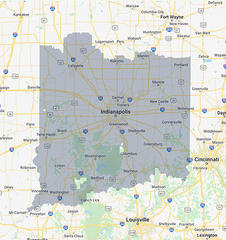
Our Locations
624 North Front Street
Whiteland, IN 46184
2731 Albright Rd
Kokomo, 46902
8 N 3rd St
Lafayette, IN 47901