
Why DIY Basement Waterproofing Fails (and What to Do Instead)
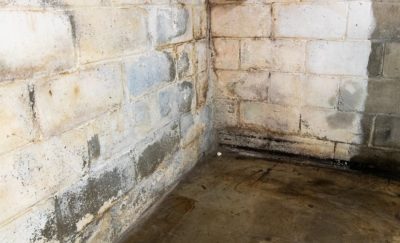
For many homeowners, basement waterproofing seems like a manageable DIY project. Simply purchase a container of sealant, plug a leak, and you’re done, right? Unfortunately, home basement waterproofing isn’t that simple. In Indiana’s climate, where heavy rainfall, freeze-thaw cycles, and expansive soils are common, DIY waterproofing can quickly backfire.
Before you spend time and money on products that might make things worse, let’s explore why DIY basement waterproofing often fails and why professional solutions offer long-term protection.
- What Are Common DIY Waterproofing Methods That Fail?
- What are the Risks of DIY Basement Waterproofing?
- What Can Homeowners Safely Do on Their Own?
- How Does Indiana Foundation Service Waterproof Basements?
- What are the Benefits of Professional Basement Waterproofing?
- Trust Indiana Foundation Service For Your Basement Waterproofing Needs
What Are Common DIY Waterproofing Methods That Fail?
Popular DIY waterproofing methods that fail include waterproof paints and improper sump pump installation. Many homeowners try quick fixes before calling in professionals. While they may work for a short time, temporary solutions, including the following, only mask the symptoms of deeper moisture problems:
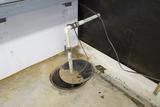
These quick fixes may seem to save money, but when they fail, the long-term cost is far greater.
What are the Risks of DIY Basement Waterproofing?
When you attempt DIY solutions, you may encounter several issues, including misdiagnosis or incorrect applications. Risks include:
1. Misdiagnosing the Real Problem
It’s common to misidentify moisture’s origin. Many homeowners seal a wall crack or apply paint without realizing the issue stems from hydrostatic pressure beneath the foundation or a failed footing drain. When the true cause is missed, water inevitably returns, sometimes worse than before.
2. Using the Wrong Fixes
DIY basement waterproofing kits advertise quick fixes, but basements are complex environments. Moisture can enter from multiple sources: walls, floors, joints, or even condensation. Paints, caulks, or cheap sump pumps often fail to withstand Indiana’s humidity and groundwater conditions.
3. Concealing Serious Damage
When water problems are covered instead of corrected, hidden damage occurs. Trapped moisture behind paint or patching materials promotes mold growth, rots wood framing, and weakens foundation walls. Over time, this silent deterioration leads to costly structural repairs.
4. Hidden Costs and Wasted Time
DIY materials may look cheaper upfront, but you’ll often find yourself buying more products as problems persist. Between multiple applications, new tools, and cleanup costs, DIY waterproofing can exceed the price of a professional solution, without the guarantee of a lasting fix.
5. Taking Unnecessary Safety Risks
Installing DIY basement waterproofing can be dangerous. It may involve excavation, heavy lifting, and exposure to hazardous mold or chemical fumes. Without safety gear and training, homeowners can face injury or illness trying to repair the issue themselves.
6. Lack of Warranty and Lasting Protection
When you waterproof your basement yourself, you assume all the risk. If a leak returns or materials fail, there’s no warranty to protect you.
Clearly, DIY basement waterproofing is neither quick nor easy, and it can pose safety risks. Your best option is to hire a reputable local basement waterproofing company that can provide dependable, long-term solutions.
What Can Homeowners Safely Do on Their Own?
While professional waterproofing is the only way to permanently protect your basement, homeowners can take a few simple steps to help reduce moisture:
These preventive efforts can help, but they won’t stop water from entering through foundation cracks or porous walls, which is where professional solutions make all the difference.
How Does Indiana Foundation Service Waterproof Basements?
At Indiana Foundation Service, we provide waterproofing systems designed to permanently protect your home from water intrusion, including:

- Interior drains to collect leaking water
- Sump pumps to remove water
- Wall vapor barriers to block moisture
- Dehumidifiers to control humidity levels
All our systems are customizable to meet your home’s unique needs and your budget.
What are the Benefits of Professional Basement Waterproofing?
Choosing Indiana Foundation Service for your waterproofing project provides:
Together, these benefits create a dry, secure, and energy-efficient home that you and your family can enjoy for years to come.
Trust Indiana Foundation Service For Your Basement Waterproofing Needs

DIY basement waterproofing might seem like a money-saver, but it often leads to recurring water damage, structural problems, and higher costs down the line. The best solution is to work with trusted local experts who understand Indiana’s soil, climate, and foundation types.
Don’t risk your home’s safety or value on short-term fixes. Contact Indiana Foundation Service today to schedule a free, no-obligation inspection and get long-lasting waterproofing solutions tailored to your home’s needs.
DIY Waterproofing FAQs
We do not recommend troubleshooting your sump pump system on your own. Sump pump installation can be complex, and the units themselves are comprised of delicate components. If there is a problem with your pump, contact Indiana Foundation Service for a free inspection and estimate for repairs.
The cost of fixing water issues in your basement varies based on factors like the extent of the damage and the solutions needed. It’s important to address the problem as soon as possible to prevent further damage and costly repairs down the road. Don’t hesitate to get in touch with us for a free, no-obligation inspection, transparent pricing, and flexible financing options.
We highly recommend seeking professional help to repair wet basement walls. DIY solutions may provide temporary relief, but they cannot match the effectiveness of a comprehensive, whole-home solution. Contact Indiana Foundation Service today to schedule a free inspection.
Related Resources


Holly Richards-Purpura
Publish Date:
Last Modified Date:
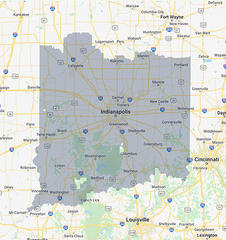
Our Locations
624 North Front Street
Whiteland, IN 46184
2731 Albright Rd
Kokomo, 46902
8 N 3rd St
Lafayette, IN 47901