
What to Do When Your Retaining Wall Starts to Fail
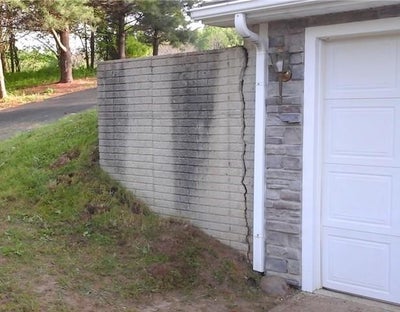
Walls are useful in both landscaping and construction. For instance, a retaining wall is designed to hold back soil and prevent erosion on sloped terrain. These walls often suffer from the same problems as the interior walls, meaning that they can begin to crack and bow.
When these walls begin to fail, they can pose serious safety risks and cause significant property damage. Understanding how to identify and repair retaining wall problems is crucial for Indiana property owners.
What Is A Retaining Wall?
Retaining walls are commonly found in landscaping projects, along driveways, around patios, and on hillside properties throughout Indiana. These walls resist the lateral pressure of soil, creating level areas in yards, preventing landslides, and managing water drainage. They can be constructed from various materials, including concrete blocks, poured concrete, or brick.
The primary purpose of a retaining wall is to stabilize soil that would otherwise shift or erode due to gravity and water flow. A properly functioning retaining wall can last for decades, but when problems arise, prompt repair is essential to prevent complete failure.
What Are the Common Retaining Wall Problem Signs?
Retaining wall cracks and movement are telltale signs of underlying issues, and it’s important to look for other warning signs, including:
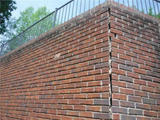
Catching retaining wall problems early can save you thousands of dollars in repair costs and prevent dangerous collapses.
What Causes Retaining Wall Problems?
Retaining walls tend to crack and bow because of foundation problems, underground water, and moisture. Several factors commonly contribute to retaining wall problems in Indiana, including:
- Soil Type: Expansive clay soils in Indiana create pressure that pushes walls forward.
- Poor Drainage: Without proper drainage systems, trapped water increases hydrostatic pressure and forces the wall outward.
- Inadequate Foundation: A shallow or unstable footing can’t properly support the wall’s load, leading to shifting or collapse over time.
- Improper Construction: Using poor materials or insufficient reinforcement can cause early structural failure.
- Age and Deterioration: Weather exposure, freeze-thaw cycles, and moisture gradually weaken wall materials, causing cracking and bowing.
- Increased Load: Adding structures, heavy landscaping, or trees above the wall increases pressure beyond what it was originally designed to handle.
Understanding these root causes of retaining wall failure helps prevent future issues and informs the repair strategy.
How Do I Repair a Retaining Wall?
Complete replacement or stabilization through anchoring systems are the two most common foundation repair methods for retaining wall repair. These processes can be complex undertakings, and it’s best to leave them to experienced professionals. Let’s take a look at each technique.
What Not to Do
Replacement
One solution seems obvious when it comes to fixing a bad retaining wall: tearing it down and building a new one. While this seems like a valid solution, it’s expensive and disruptive, and it’s best to avoid it.
Also, using poor-quality wall anchors is not the way to go. These fixtures are exposed to the elements, and they corrode if they are poorly made. As a result, you will have old-looking, unsightly wall plates that can even lower your property value.
There are ways to fix the bowing wall without having to resort to demolition, and they present a long-term fix that will leave the wall as good as new without having to destroy the landscaping in the process. Leave demolition for last-resort options.
Lasting Retaining Wall Repair Solutions
Wall Anchors
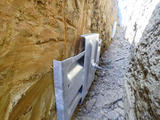
Wall anchors are a great option, but the repair will require you to dig outside the wall foundation, and that may be a problem for some, since the process will impact the landscaping.
This technique uses a strong steel wall bracket, which is designed to brace the wall and correctly distribute the anchor’s clamping pressure. Installers attempt to return the wall to its previous position with wall anchors, therefore restoring its appearance as well as structural stability.
During the installation process, an anchor rod is driven through 1″ holes and into the wall. These rods connect to earth anchors placed beyond the retaining wall. When everything is in place, the wall plate is installed and the rod is tightened to return the wall to its previous position.
Helical Tiebacks
Helical tiebacks also use a strong steel wall bracket on the exterior of the retaining wall. Just like with wall anchors, this steel fixture will brace the wall and distribute the clamping pressure. This solution can also be used to permanently stabilize the retaining wall and restore it to its previous glory.
To install helical anchors, your foundation expert cuts a hole in the wall and runs anchors through it. The helical blades pull the anchor deep into the soil and hold it there. In addition, they will tighten a nut over the protruding rod to properly brace the wall.
Both anchor systems can be used individually or together, depending on site accessibility and the specific conditions of your retaining wall and soil.
Trust Indiana Foundation Service With Your Retaining Wall Repair Needs

If you’ve noticed any warning signs in your retaining wall, don’t wait for a complete collapse. At Indiana Foundation Service, we understand that a failing retaining wall isn’t just a structural issue; it’s a concern that affects your property’s safety, functionality, and value.
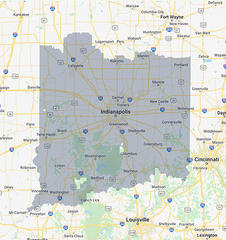
Our experienced team serves property owners throughout Indiana, providing expert retaining wall repair solutions that restore stability and protect your investment. With our proven anchor systems and commitment to quality, we’ll help you solve your retaining wall problems efficiently and effectively. Contact us to schedule a free inspection today, and let our experts provide the solution you need.
Retaining Wall Repair FAQs
If your retaining wall is leaning, bulging, cracking, or sinking, it may be damaged and no longer adequately supported. Additionally, adjacent basement or foundation walls may show similar issues.
The cost of repairs will depend on the extent of the damage and the type and amount of repairs needed. Please contact us for a free inspection, transparent pricing, and financing options.
While some disruption is unavoidable, experienced professionals use techniques that minimize damage to landscaping.
Related Resources



Holly Richards-Purpura
Publish Date:
Last Modified Date:
Our Locations
624 North Front Street
Whiteland, IN 46184
2731 Albright Rd
Kokomo, 46902
8 N 3rd St
Lafayette, IN 47901