
Why Yard Grading and Landscaping Matter for Your Home’s Foundation

Your home could sustain damage for many reasons, but did you know that culprits could be your yard and landscaping? Your yard grading (the way your yard slopes) affects the amount of water that collects near your home.
If your home is poorly graded, runoff easily flows toward your foundation, causing leaks and instability. Let’s explore everything you need to know about yard grading, landscaping, their impacts, and what you can do to repair and protect your home.
What is Yard Grading?
The grade of your lawn refers to its slope and the flow of water through it. There are high points and low points in your yard, and your grade will be judged based on where your home is regarding those points.
To put it more simply, there are two types of grading:
- Positive Grading: When your home is built at the highest point of your lawn, your landscape has been appropriately, or positively, graded. This means the soil slopes down and away from your home. It allows water to follow suit, flowing away from your foundation and basement, resulting in fewer leaks.
- Negative Grading: Homes built at their lawns’ low points are considered to be on negative grades. Soil can also erode over time, sloping down but angled towards your home. Runoff follows the same path, collecting next to your home, leaking inside, and causing more damage.
Before you purchase or build a home, you’ll always want to have a professional, such as a landscaper, inspect the land for its grade.
What Gives Away Poor Grading?
It takes a certain kind of experience to tell negative grading from positive grading. That said, there are some signs that give a faulty lawn away. These include:
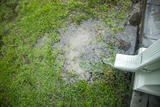
- Spongy Soil: Poorly graded soil collects water like a sponge. You can identify poor grading by assessing the texture of your yard. If you step outside and your shoes are immediately soaked, or you never feel as though you’re on firm ground, you’ll want to get in touch with a contractor to explore your restorative options.
- Ineffective Drainage: If your lawn isn’t draining properly, you’ll notice pools of water cropping up in its lowest spots.
- Mosquitoes: Pesky mosquitoes thrive in areas that have high humidity and lots of standing water. If your lawn isn’t properly draining, then it may become a breeding ground for these most annoying insects.
- Drying Grass: If your lawn is poorly graded, the patches of grass in its lowest parts may start to die. Pools of water underground can begin to rot away the roots of your grass if it has nowhere to go. Luckily, this sign makes itself relatively obvious, but it can be difficult to reinvigorate your lawn if you don’t invest in regrading.
- Dying Landscaping: It may not be your lack of a green thumb that keeps killing your landscaping. Instead, your plants’ roots may be rotting due to the excessive amounts of water in the ground.
What are Signs of Damage Due to Yard Grading or Landscaping?
If you don’t act quickly, the damage in your yard may only worsen. The consequences of poor grading can often manifest as:

- Rear and side swale holding water
- Unwanted ponds
- High grading around a home
- Unnatural sloping toward a home
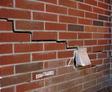
- Foundation damage
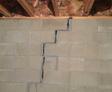
- Cracking and bowing basement walls
- Water in your basement
- Mold growth
How Can I Improve My Yard Grading?
You can talk to a landscaping professional about regrading your home after it’s been built. This process can be lengthy and expensive, but it can save you a lot of trouble in the years to come.
Alternatively, you can implement exterior waterproofing measures that can directly help you deal with poor grading. Some of the most effective include:
- Catch-Basins: Catch-basins are designed to blend in with your landscaping, making them the perfect additions to a pre-built home. These basins keep the drains surrounding your home free of debris. You can cover them in loose gravel to ensure that water continues to flow freely out of and away from your home.
- Gutters and Downspouts: It’s possible you already have grading-proof protective measures installed around your home. They’ll only continue to protect your home from poor drainage, however, if you maintain them. It’s important to regularly clean your gutters if you want to keep them from overflowing. Similarly, make sure your downspouts are properly aligned, or they won’t direct water away from your home.
What Landscaping Practices Protect Your Foundation?
While waterproofing and regrading are the best ways to shield your foundation, smart landscaping can also help reduce water damage and soil pressure around your home. Here are a few strategies to keep in mind:
- Plant at a Distance: Keep trees, shrubs, and larger plants at least five feet away from your foundation. This prevents roots from disturbing the soil near your home and limits water buildup against the walls.
- Maintain Consistent Soil Moisture: Water your yard regularly to prevent soil from drying out and shrinking. Healthy, well-watered soil can better absorb rainfall and reduce the risk of flooding around your foundation.
- Use Absorbent Mulch: Adding mulch around plants helps retain soil moisture while directing excess rainwater away from your foundation. Avoid piling it too close to your home or creating “mulch volcanoes.”
Additional Landscaping Tips: Trees and Plants to Avoid
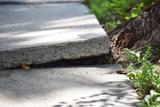
When planning your landscaping, it’s important to know that some popular trees and hedges have highly invasive root systems. While these roots may not crack your foundation directly, they can shift surrounding soil, increase hydrostatic pressure, and put your home at risk.
Species with aggressive roots to avoid planting too close include:
- Hybrid Poplars
- Bradford Pears
- Willows
- Chinese Flame Trees
- American Elms
- Eastern Cottonwoods
- Silver Maples
- Mimosa Trees
- Southern Magnolias
- Sweet Gum Trees
If you’d still like to enjoy these species, plant them at least 20 feet from your foundation. Any closer, and their roots can create soil movement and water pressure issues that threaten your home’s stability.
How Professionals Repair and Protect Your Home
If your home has sustained damage because of poor grading or landscaping, it’s important to remedy the issues and prevent them from happening again. Foundation repair professionals like Indiana Foundation Service understand how challenging this can be, but our customizable permanent repairs are the answer.
Depending on your home’s damage, we may recommend the following solutions:
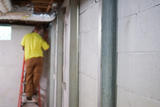
Foundation/Wall Repair

Basement Waterproofing
Trust Indiana Foundation Service for the Best Solution
Soil conditions, grading, and landscaping can be challenging to deal with, but you don’t have to do it alone. Contact Indiana Foundation Service today to schedule a free inspection and estimate.
Homeowners throughout Indiana have trusted us to repair and protect their homes for more than 30 years. They know they can count on our thorough inspections, attention to detail, customized solutions, and unmatched customer service. Experience the excellence for yourself and contact us today!
Grading and Landscaping FAQs
Yes, the slope of the ground around your home should direct water away from the foundation. Poor landscaping can lead to water pooling around your home and increasing the risk of leaks.
A yard’s grade refers to how the land slopes; a positive grade directs water away from your home, while a negative grade slopes toward it, causing water to pool around the foundation. Over time, negative grading can increase hydrostatic pressure, overwhelm drainage systems like sump pumps, and lead to serious foundation damage unless corrected.
While some disruption is unavoidable, experienced professionals use techniques that minimize damage to landscaping.
Related Resources

Holly Richards-Purpura
Publish Date:
Last Modified Date:
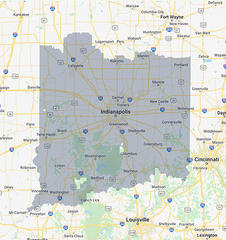
Our Locations
624 North Front Street
Whiteland, IN 46184
2731 Albright Rd
Kokomo, 46902
8 N 3rd St
Lafayette, IN 47901