
How to Choose the Best Crawl Space Encapsulation Material
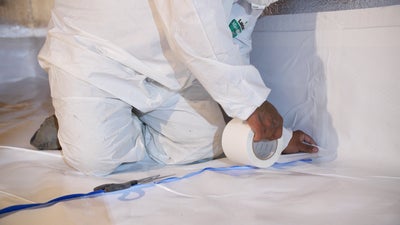
Crawl space encapsulation isn’t just a long-term investment but an endeavor that benefits your home and family with long-term protection. You want to make sure you get the right choice of material and hire a professional service to install it properly. If you get these two right, you can create a clean, dry, and usable space that will serve you well for years.
Discover which encapsulation system can help you achieve your goals, where to get the best material, and why you should let professionals handle the installation.
What is the Best Crawl Space Vapor Barrier?
If you’ve ever looked inside a crawl space, you might notice a plastic sheet similar to a swimming pool liner on the floor. That’s not exactly what it is, but here are some factors to consider with your crawl space encapsulation:
Encapsulation Material Type
A polyethylene vapor barrier with reinforced polyester cord is preferred for encapsulating a crawl space. It is available in various roll sizes and thicknesses. Installed properly, a plastic vapor barrier will lock out moisture, dust, and external air that threatens the internal conditions in your home. It will also make it more difficult for pests to get inside, and they won’t find this environment as hospitable as a damp and moist crawl space.
Vapor Barrier Thickness
With the choice of material now out of the way, the next thing to consider is the thickness of the liner. Here’s a list of common thickness levels:
- 6-mil: This is the standard, bare minimum requirement. It is very thin—about as thick as two plastic grocery bags—tears easily and quickly succumbs to moisture and mold
- 12-mil: While this is double the thickness, it still can rip and sustain other damage.
- 20-mil: The thickest on the market that effectively resists mold, moisture, and wear and tear.
Which of these would you feel most comfortable knowing is in your crawl space?
It’s clear that a 20-mil vapor barrier is the best option, no matter how you choose to use the space. This liner offers a mix of value and durability. A barrier this thick can endure rough handling during an inspection and hold up well in crawl spaces with significant traffic. Likewise, you can use a polyethylene barrier of the same thickness on a crawl space concrete floor.
Where Can I Buy Crawl Space Encapsulation Materials?
Vapor barriers can be purchased from various hardware and online stores. Prices range from a couple of hundred dollars to more than a thousand dollars for the large and thicker roll size. Since encapsulation is a long-term investment, we recommend the durable 20-mil roll over the thinner 6-mil.
That being said, no crawl space work is DIY, and it’s best to leave the finer details to a local crawl space repair professional like Indiana Foundation Service. That way, the heavy-duty encapsulation will also be protected by a long-term warranty.
How Much Does It Cost to Encapsulate the Crawl Space?
Encapsulation costs vary depending on the crawl space size, its condition, and other necessary repairs. If it’s dirty or damaged, you must clean it up first, fix rotten beams or joists, and replace damaged ducts and insulation material. Mold must also be remediated before installers can begin sealing the area. Ensure the crawl space is clean and in good repair before encapsulation begins; otherwise, more costs and longer repair times may be involved.
How Long Does it Take to Seal a Crawl Space?
As with every home repair project, the timeline will certainly be at the top of your mind because it touches on cost and convenience. Installation can take several hours to a couple of days. Professionals can work faster and complete the job in good time without compromising the security of your home.
Do I Need Other Crawl Space Encapsulation Systems?
A thick and durable vapor barrier is key, but it’s just one piece of the puzzle; it is part of a larger encapsulation system that gives your crawl space the comprehensive protection it deserves.
Along with a vapor barrier, it’s essential to protect your crawl space with the following measures:
- Interior drainage to intercept leaking water
- Drainage matting to redirect leaks
- Sump pumps to remove water
- Insulation panels to regulate indoor temperature
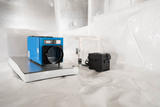
- Dehumidifiers to control humidity levels
- Vent sealing to block outside air, water, and pests
Combined, these solutions work to manage moisture, isolate your home from the earth, and improve indoor air quality.
Get Trusted Encapsulation from Indiana Foundation Service!

Ready to seal your crawl space? Avoid the pitfalls of DIY projects and hire an expert to handle the installation. Crawl space encapsulation is a delicate exercise, requiring skill, knowledge, and the proper protective gear.
Our team at Indiana Foundation Service has more than 30 years of experience with crawl space repair and encapsulation. Contact us today to find out how we can help. Schedule a free crawl space inspection and get a free estimate for your project!
Crawl Space Encapsulation FAQs
Yes, by reducing air leaks and insulating the crawl space, encapsulation can help stabilize indoor temperatures, which can lead to lower heating and cooling costs.
Comprehensive crawl space encapsulation with waterproofing, insulation, and dehumidification prevents water intrusion and eliminates excess moisture and humidity. When outside water and air cannot enter, humidity levels decrease. Contact Indiana Foundation Service to learn more and schedule a free inspection.
Yes, encapsulation can significantly improve indoor air quality by preventing damp, musty air from rising into your living spaces from below.
Related Resources

Holly Richards-Purpura
Publish Date:
Last Modified Date:
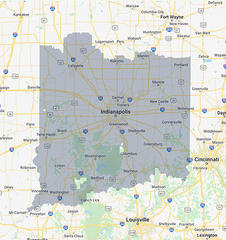
Our Locations
624 North Front Street
Whiteland, IN 46184
2731 Albright Rd
Kokomo, 46902
8 N 3rd St
Lafayette, IN 47901