
Indiana Homeowner’s Guide to Concrete Lifting and Leveling

Concrete is all over our properties—sidewalks, patios, pool decks, and even slab floors and foundations. Builders and contractors use it so much because of its durability. Even though it’s strong, it can fall victim to damage over the years.
Damaged concrete makes your property look bad and jeopardizes your family’s safety. It’s important to repair it with the best solution as soon as you notice a problem. Concrete leveling is a widely used repair method for restoring sinking and uneven concrete slabs to like-new.
In this guide, you’ll learn more about concrete leveling, when it is needed, different approaches, who can help you, and more.
- What Is Concrete Leveling?
- How Does Concrete Leveling Work?
- What Are the Different Concrete Leveling Methods?
- A Closer Look at Polyurethane Foam Injections
- What Are Common Types of Concrete that Need Leveling?
- What Are The Signs That I Need Concrete Leveling?
- What Causes Concrete Damage?
- How Can I Prevent Concrete Damage?
- Who Can Help with Concrete Leveling?
- Contact Indiana Foundation Service for Concrete Lifting and Leveling Today!
What Is Concrete Leveling?
Concrete lifting and leveling is one type of repair used to fix sunken or uneven surfaces. Raising and leveling the concrete is necessary to put it back in place and remove the risks that the unevenness creates. The concrete area’s appearance, usefulness, and safety are all enhanced by this approach.
You may have also heard one of the following terms used to describe concrete leveling:
- Concrete raising
- Concrete lifting
- Concrete repair
- Slab lifting
- Slabjacking
- Cement jacking
- Concrete jacking
How Does Concrete Leveling Work?
Concrete lifting restores concrete to its original position by adding various materials underneath the sunken slabs. This improves safety, function, and appearance. Various methods can be used, and the optimal one depends on the situation and desired result.
To determine if concrete leveling is necessary, examine your surfaces for significant unevenness, sinking, or hazards. If you suspect your concrete is damaged, consult a professional about leveling options. Even if surfaces seem to be in good condition, meeting with an expert can help decide if leveling would be beneficial.
The price of the project varies based on factors such as the size of the area affected, damage severity, repair technique, and scope of work. Compared to full replacement, concrete leveling is a cost-effective solution. Consider the advantages and disadvantages, your needs, and professional advice to make the best decision.
What Are the Different Concrete Leveling Methods?
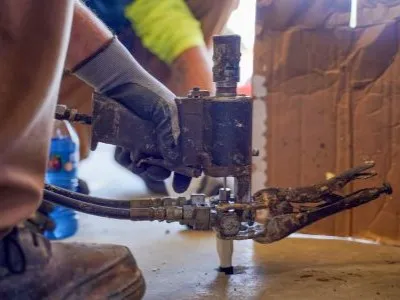
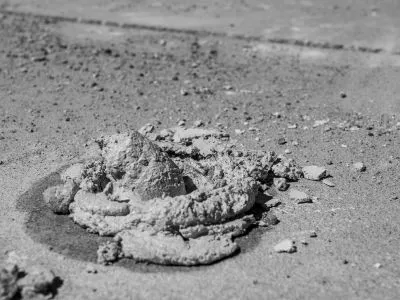
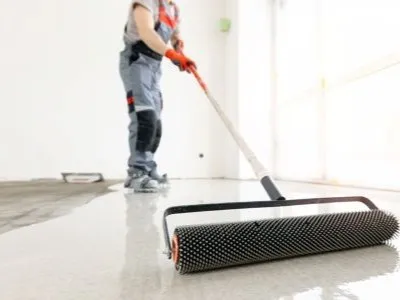
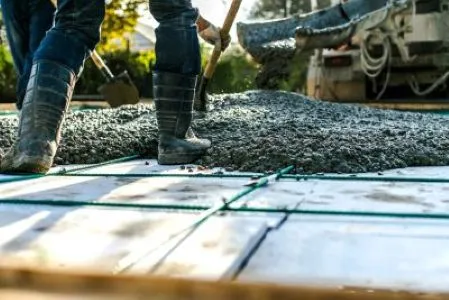
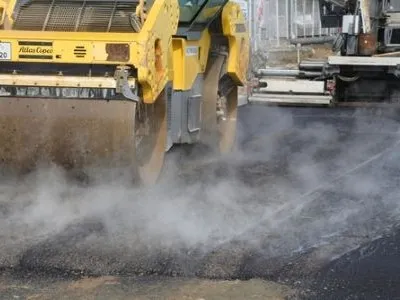
There are several methods, including polyurethane foam injection, mudjacking, and replacement. The table below details each one.
| Method | What It Looks Like | Pros | Cons |
|---|---|---|---|
|
Polyurethane Foam Injections
|
 |
|
|
|
Mudjacking
|
 |
|
|
|
Self-Leveling Concrete
|
 |
|
|
|
Replacement
|
 |
|
|
|
Asphalt Overlay
|
 |
|
|
A Closer Look at Polyurethane Foam Injections
Our proprietary PolyRenewal™ polyurethane foam injection system stands out as the superior choice for concrete lifting and leveling. It’s easy for our professional teams to install, and you reap the benefits of a lasting solution.
Curious how it works? Here’s a closer look at how we install this state-of-the-art solution:
This strong but light material, weighing only about 4 lbs. per cubic ft., is a waterproof, eco-friendly, and lasting concrete leveing solution you can count on to protect your property
What Are Common Types of Concrete that Need Leveling?
Concrete surfaces requiring repair around your property include exterior walkways and interior slab floors. You might find damage on a variety of other concrete areas around your property, including:
What Are The Signs That I Need Concrete Leveling?
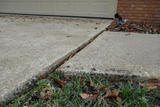
The easiest way to tell if your home needs concrete leveling is if you notice sinking and uneven slabs that don’t match up or result in a surface that is no longer smooth. This unevenness is dangerous, as it creates tripping hazards.
You might also notice cracking concrete and vehicular issues as your car struggles to navigate lopsided garage or driveway slabs.
Types of Concrete Cracks
Not all cracks are the same. Some may be purely cosmetic, and others indicate serious underlying problems. Here are the most common types of concrete cracks you might notice around your property and what they mean:
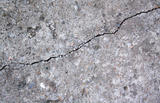
- Hairline Cracks: These thin, surface-level lines often appear as concrete cures and shrinks, typically remaining cosmetic unless they begin to widen or spread.
- Shrinkage Cracks: These shallow cracks form soon after pouring when moisture evaporates too quickly, and sealing them helps prevent future water damage.
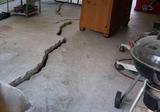
- Settlement Cracks: Caused by shifting or poorly compacted soil, these uneven, wider cracks indicate foundation movement and potential slab sinking.
- Heaving Cracks: Freeze-thaw cycles, soil expansion, or tree roots push concrete upward, creating jagged cracks and uneven, hazardous surfaces.
- Structural Cracks: Deep cracks wider than ¼ inch signal serious foundation or soil issues and require immediate professional repair to prevent further damage.
No matter what type of crack you notice in your home’s concrete, it’s always a good idea to err on the side of caution and get a professional inspection.
Additional Concrete Problems
While cracking is indeed a sign that something is wrong with your concrete slabs, concrete can also have severe damage, such as crumbling, chipping, pitting, flaking, or staining.
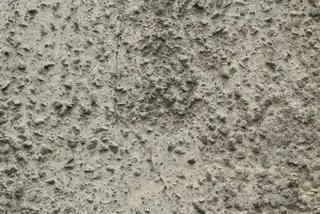
- Pitting occurs when tiny holes start forming on the concrete’s surface. This is usually caused by exposure to chemicals, water, or salt.
- Flaking happens when pieces of concrete start to chip away. This could be due to weathering, age, or even poor installation.
- Staining is when the concrete starts to discolor, and it is often caused by exposure to oil, grease, or other substances.
If left untreated, pitting, flaking, and staining can eventually lead to more severe issues with the concrete, like cracking and weakening of the structure. That’s why it’s so important to identify these problems early on and take steps to repair or prevent them.
The good news is that there are a few different methods for repairing and preventing pitting, flaking, and staining. For example, you could apply a protective coating to the surface of the concrete to help avoid damage from water, chemicals, and other substances.
What Causes Concrete Damage?
While concrete damage can happen for many reasons, Indiana’s climate and soil conditions create the perfect environment for cracking and uneven slabs to develop. Here’s a look at these causes:
How Can I Prevent Concrete Damage?
Cracks and uneven concrete surfaces are common over time, but proactive maintenance can greatly extend the life of your concrete. Here are several ways to help prevent damage and keep surfaces strong and stable:
- Manage Weight Distribution: Avoid parking or placing heavy objects in the same area for long periods to prevent uneven pressure and stress cracks.
- Ensure Proper Drainage: Redirect gutters, downspouts, and landscaping to move water away from concrete surfaces, reducing erosion and freeze-thaw stress.
- Inspect Regularly: Check for early signs of cracking, flaking, or settlement, and address small issues promptly before they worsen.
- Seal Your Concrete: Apply a high-quality sealant every few years to protect against moisture absorption, road salts, and surface wear.
- Maintain Surrounding Soil: Prevent soil erosion or washout near edges by maintaining stable landscaping and proper grading.
By combining these strategies, you’ll protect your concrete surfaces from premature cracking and maintain their strength, appearance, and safety for years to come.
Who Can Help with Concrete Leveling?

Some damage may not seem severe enough to call for a professional, but we do not recommend that you try to DIY concrete leveling or similar repairs. It can quickly get out of hand, become dangerous, and cost a lot to fix.
The best way to level problematic concrete around your home is to seek expert advice from local pros like Indiana Foundation Service.
Our process starts with a thorough inspection to pinpoint what’s causing the damage, enabling us to design tailored solutions. Even if concrete leveling does not suit your repair needs, our team can clarify your choices, like resurfacing or repouring, and provide guidance on ideal next steps.
Contact Indiana Foundation Service for Concrete Lifting and Leveling Today!
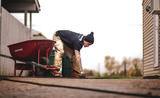
Don’t ignore cracked or uneven concrete; it diminishes curb appeal and creates safety hazards. Tackle these issues quickly by consulting local concrete leveling specialists.
With over 30 years of expertise, Indiana Foundation Service focuses on improving home safety across Central and Southern Indiana using our innovative PolyRenewal™ polyurethane foam injection method. This versatile technique can restore your property and your peace of mind. Contact us today to schedule a free inspection and obtain a no-obligation repair estimate.
Concrete Leveling FAQs
PolyRenewal™ polyurethane foam injection is the premier concrete leveling technique. Unlike conventional approaches like mudjacking and repouring, polyurethane foam is minimally invasive, highly durable, eco-friendly, and cures rapidly. Contact the concrete leveling specialists at Indiana Foundation Service for a free inspection and more details on this innovative repair. We can advise on the ideal leveling solution for your needs.
The process depends on several factors, but it usually takes one to three days. Experts work efficiently to limit disruption to your property. Polyurethane sets rapidly while concrete and mudjacking require more cure time. During a free inspection from Indiana Foundation Service, you’ll receive an accurate project timeline estimate. Our specialists aim to complete leveling work promptly.
With proper maintenance, professionally leveled concrete can last for many years, depending on the repair method used. Factors like soil settling, freezing/thawing cycles, and traffic loads affect durability. Any new cracking should be assessed. For details on concrete leveling, especially long-lasting polyurethane injection, Indiana Foundation Service offers free inspections and estimates. Our experts can advise on solutions to maximize the lifespan of repaired concrete.

Holly Richards-Purpura
*Disclaimer: “Concrete leveling” means the process by which cracked, uneven concrete is stabilized, and in many cases lifted, by means of PolyRenewal™ polyurethane foam. Indiana Foundation Service does not guarantee that PolyRenewal™ can make your concrete perfectly level.
Publish Date:
Last Modified Date:
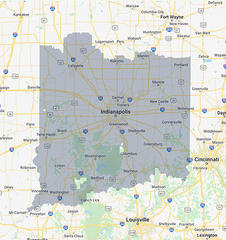
Our Locations
624 North Front Street
Whiteland, IN 46184
2731 Albright Rd
Kokomo, 46902
8 N 3rd St
Lafayette, IN 47901