
Understanding Basement Hydrostatic Pressure: Causes, Risks, and Repairs
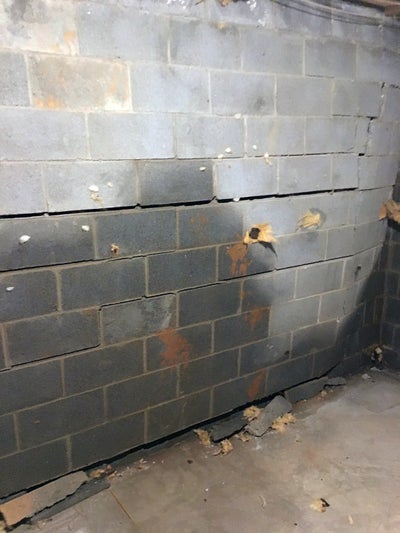
Just as we feel pressure in our daily lives, our homes experience stress in similar yet different ways. Not only is your house tasked with being your safe haven, but factors like hydrostatic pressure can impact its stability.
Hydrostatic pressure is an often silent but deadly threat to your home, resulting in cracks and leaks that affect your foundation over time. These issues are common, but you can combat them and create the safe home you and your family deserve.
Learn about hydrostatic pressure and its effects, and how local experts can help you repair and protect your home.
What is Hydrostatic Pressure?
Hydrostatic pressure is the force exerted on your foundation by expansive soil continuously impacted by shrinking and swelling cycles.
When water from rain, snowmelt, or nearby bodies of water accumulates in the soil next to your foundation, the soil expands and presses against the walls. Homes with basements built in areas with clay soil are especially susceptible to this natural phenomenon.
What are the Signs of Hydrostatic Pressure in My Basement?
As your property’s soil shrinks and swells with changes in moisture, telltale signs of hydrostatic pressure include:
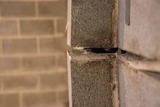
These issues can start small and snowball into the worst-case scenario of a complete wall collapse. Staying vigilant and addressing these problems promptly helps you protect your home.
Does Every Home Experience Hydrostatic Pressure?
Though damaging, hydrostatic pressure is a natural occurrence that can impact any building. While most structures are built to withstand a certain amount of hydrostatic pressure, impact from this phenomenon is inevitable.
It all involves the construction process, including digging down into the earth, creating an artificial water table, and backfilling the soil, as you can see from this illustration. Unlike the undisturbed ground farther out, this backfilled soil is looser and less compact, creating a “clay bowl” where water naturally collects next to your home.
It’s common for most homes to experience hydrostatic pressure, but the results should not be considered normal conditions you must live with. Don’t ignore these symptoms, as they will worsen and lead to additional health and safety hazards.
How Do You Fix Hydrostatic Pressure in Basements?
Hydrostatic pressure is a powerful force that can result in significant structural and water damage, but you can fight back to protect your home.
Starting from the outside, ensure your gutters and downspouts are in good working order. These systems are your first line of defense in protecting your home. They capture excess water and direct it away from your home to avoid puddles, hydrostatic pressure, and leaks. Regrade your yard, if needed, so the soil slopes down and away from your home to facilitate proper drainage.
There are many things you can do inside your home to fix hydrostatic pressure in your basement, including reinforcing and repairing problematic walls. Hydrostatic pressure leads to cracks, inward bowing, and leaks, but our solutions permanently strengthen your basement walls and prevent further movement.
Wall repair and reinforcement solutions include:
- Wall Anchors: Stabilize and straighten bowing basement walls with exterior anchors secured deep into stable soil, pulling walls back into proper alignment.
- Wall Braces: Strong interior supports that correct inward wall movement without exterior excavation, ideal for spaces with limited outdoor space.
- Carbon Fiber Straps: Lightweight, durable reinforcements that bond to foundation walls to halt minor bowing and prevent cracks from spreading.
These repairs can also be paired with basement waterproofing solutions, including:
- Interior Drains and Sump Pumps: These systems work together to collect and remove water, relieving hydrostatic pressure and preventing basement flooding.
- Wall Vapor Barriers: Durable vapor barriers block outside moisture from seeping through walls and floors, lowering humidity and protecting your foundation.
- Dehumidifiers: High-efficiency dehumidifiers regulate humidity, reduce mold risk, and complement waterproofing systems for a dry, healthy basement.
💡 Fun Fact:
Our crew takes steps to reduce hydrostatic pressure in your basement when we install the perimeter drainage system. They drill weep holes into the walls to allow built-up water to escape into the system and alleviate pressure.
Trust Indiana Foundation Service to Protect Your Home from Hydrostatic Pressure
Hydrostatic pressure is a leading cause of basement leaks and foundation damage, but you don’t have to face it alone. With the right basement waterproofing and foundation repair solutions, you can stop water intrusion at its source, protect your home’s structure, and safeguard your family’s comfort.
At Indiana Foundation Service, we specialize in lasting solutions designed to combat hydrostatic pressure and its damaging effects. Everything we install is tailored to fit your home’s unique repair needs and your budget. Schedule a free inspection today and take the first step toward a dry, secure, and healthy home.
Hydrostatic Pressure FAQs
Severity depends on factors like the crack’s size, location, and direction. Horizontal cracks, widening gaps, or those accompanied by bowing walls or leaking water are typically more concerning. Consult a professional for an assessment if you are unsure.
A yard’s grade refers to how the land slopes; a positive grade directs water away from your home, while a negative grade slopes toward it, causing water to pool around the foundation. Over time, negative grading can increase hydrostatic pressure, overwhelm drainage systems like sump pumps, and lead to serious foundation damage unless corrected.
Properly executed repairs can significantly reduce the likelihood of cracks reappearing in the same location. However, new cracks may develop if underlying issues like soil settlement or hydrostatic pressure persist.
Related Resources


Holly Richards-Purpura
Publish Date:
Last Modified Date:
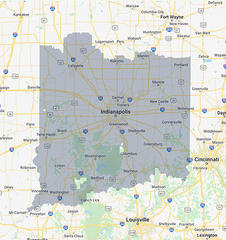
Our Locations
624 North Front Street
Whiteland, IN 46184
2731 Albright Rd
Kokomo, 46902
8 N 3rd St
Lafayette, IN 47901