
Can Basement Mold Affect Upstairs Living Areas? Here’s What to Know
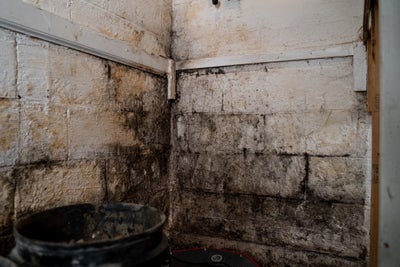
Are you worried about mold growing in your basement and its potential to reach upstairs and contaminate other areas of your home? Well, it’s possibly due to a phenomenon called the stack effect, which we’re going to talk about in this article.
We’ll also review why mold grows in basements, what you can do about it, signs that there might be mold growing in your basement, and more, so you can create the safe and healthy home you deserve.
How Does the Stack Effect Impact Mold in Living Spaces?
Warm air, because it is less dense than cool air, naturally rises to the top of a building while cool air sinks down to the bottom. Now, this might not seem like a big deal. However, it can wreak havoc if there’s mold growing in your basement because the stack effect can help it spread to other parts of your home.
Here’s how it works…
As warm air rises, it creates a negative pressure zone in the lower levels of your home. This means that air from outside will be drawn in to equalize the pressure. If there’s mold growing in your basement, spores from that mold will be picked up by the air that’s being drawn in. And since warm air rises all the way to the top of your home, those spores could potentially spread to other levels of your home.
So, what can you do to prevent this from happening? The most effective way is to prevent basement mold from growing in the first place, which we’re going to talk about in just a bit.
What are the Signs of Mold Exposure in My Home?
Mold can be sneaky, growing behind walls and furnishings, or it can visibly show its ugly face. Here are a few telltale signs that mold is present in your living area.

- Musty Smells: Mold emits distinct, musty odors that can be a reliable indicator of its presence, even if not immediately visible.
- Visible Mold Growth: Obvious signs of mold, such as discolored patches on walls or ceilings, indicate a more advanced infestation. Mold can appear in several colors, including black, brown, green, gray, yellow, and pink.
- Health Problems: Mold in your living space can cause various health problems, from allergic reactions to headaches and respiratory concerns.
Let’s dig a little deeper and explore mold’s impact on you and your loved ones.
Health Risks and Symptoms of Mold Presence
Mold poses potential health risks, including the following:
- Respiratory Issues: Mold spores, when inhaled, can trigger a range of respiratory problems, such as persistent coughing, wheezing, and shortness of breath.
- Allergic Reactions: Mold can induce allergic reactions in sensitive individuals. Symptoms may include sneezing, a runny or stuffy nose, itchy or watery eyes, and itchy skin.
- Skin Irritation: Direct contact with mold or its spores can lead to skin irritation. You may experience redness, itching, or a rash, particularly in areas that come into direct contact with contaminated surfaces or materials.

- Headaches and Fatigue: Prolonged mold exposure has been linked to headaches and fatigue. Individuals may experience persistent headaches, often accompanied by feelings of lethargy.
- Aggravation of Existing Health Conditions: Mold exposure can make existing health conditions worse, particularly in individuals with compromised immune systems. Those who have chronic respiratory conditions, autoimmune disorders, or other immunodeficiencies may experience more severe health implications.
What Causes Mold in the Basement?
Mold can be traced to many sources. Here are some of the main culprits behind mold growing in your home’s basement.
- Humidity and Moisture Accumulation: Mold thrives in environments with high humidity levels. These levels stay elevated for a number of reasons, from leaky pipes to poor drainage.
- Water Seepage and Leaks: Water infiltrating through cracks in the foundation creates an inhospitable environment for people, but rolls out the red carpet for mold. Identifying and addressing the sources of water intrusion is critical for preventing these problems.
- Organic Materials: Basements, whether used for storage or extra living space, may contain organic materials such as cardboard boxes, wooden furniture, or fabrics. These materials serve as nutrient sources for mold, providing it with all it needs to flourish.
- Lack of Basement Waterproofing: The absence of proper basement waterproofing increases your risk for mold. Waterproofing measures, such as sealing foundation cracks and installing drainage systems, are vital in protecting the basement against water intrusion and high humidity.
What are Common Problem Areas for Mold Growth?
Mold does not discriminate in where it wants to live within the basement. However, several areas are particularly susceptible to mold, including:
- Behind Drywall: Moisture trapped behind drywall can create a hotspot for mold.
- Around Pipes and Plumbing Fixtures: Leaky pipes and plumbing fixtures are common sources of water accumulation, making them an easy target.
- Underneath Carpeting: Carpets can trap moisture, becoming a breeding ground for mold growth.
- On Concrete Surfaces: Concrete is more porous than people realize, making it vulnerable to mold growth if moisture is present.
Vigilance is key to protecting your home, so make sure you check for basement moisture and mold frequently. If you notice any suspicious growths, don’t hesitate to contact a mold remediation specialist right away.
How Can I Waterproof My Basement and Prevent Mold?
Not only does basement waterproofing help prevent mold damage, but it also protects the structural integrity of your home, decreases health risks, and preserves your property value.
To help shield you from this toxic substance, here are the methods we use at Indiana Foundation Service to safeguard against moisture intrusion. These solutions help ensure your basement stays protected.
| Solution | What It Looks Like | What It Does |
|---|---|---|
|
Interior Drains
|
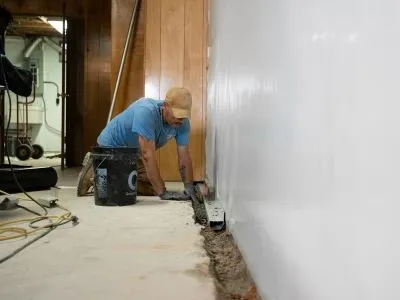 |
Footing drains often fail, leaving water on your basement floor. Our interior drainage system is installed along the subfloor perimeter with an anti-clog design that collects and redirects water to a sump pump.
|
|
Sump Pumps
|
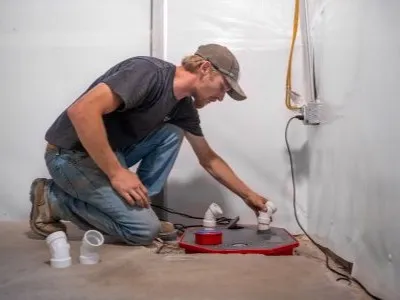 |
Installed at the lowest point of your basement, sump pumps remove water before it can flood or damage your home. As water collects, it’s quickly pumped out through discharge lines.
|
|
Wall Vapor Barriers
|
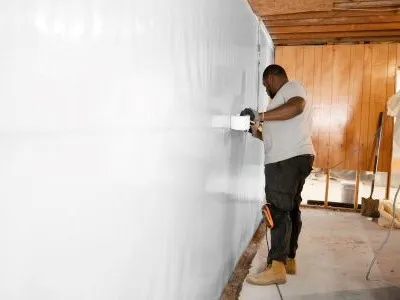 |
A 12-mil vapor barrier permanently attaches to the basement walls to block moisture. Any seepage is directed into the interior drainage system and safely moved away from your home.
|
|
Dehumidifiers
|
 |
Basement dehumidifiers control humidity, preventing mold and musty odors. These systems filter the air and can extract up to 100 pints of water daily.
|
Everything we install is tailored to your home to meet your basement’s unique challenges, repair needs, and your budget.
Trust Local Pros with Your Basement Waterproofing Needs

When waterproofing your basement, Indiana Foundation Services has the skills and expertise needed to get the job done. Our concern isn’t just whether or not mold will grow in the basement, but also how it can affect the upstairs. We offer immediate results and long-term benefits for your home. With more than 30 years of experience in moisture control and mold prevention, we provide tailored solutions that address specific vulnerabilities in your home.
If you’re concerned about basement mold reaching upstairs, contact us today to book a free inspection with our team for customized solutions to fit your home’s needs!
Mold in Basement FAQs
Certain types of mold, like black mold, release toxins that can worsen or lead to respiratory issues, allergic reactions, and flu-like symptoms when inhaled. Prolonged exposure can worsen chronic illnesses, such as asthma. It’s important to address the source of moisture problems with effective basement waterproofing to prevent the recurrence of mold. Contact Indiana Foundation Service today to schedule a free inspection.
Although mold has a distinctive smell, musty odors in your basement do not always indicate the presence of mold growth. Other sources include plumbing issues and damp or damaged materials like wood and cardboard.
DIY solutions often only address surface issues, overlooking underlying moisture problems. It is highly recommended to seek the assistance of a mold remediation specialist immediately. Contact Indiana Foundation Service for a free inspection and a comprehensive moisture management solution.
Related Resources

Leah Leitow
Publish Date:
Last Modified Date:
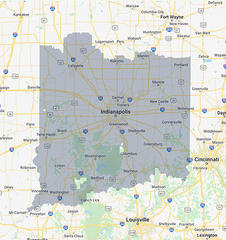
Our Locations
624 North Front Street
Whiteland, IN 46184
2731 Albright Rd
Kokomo, 46902
8 N 3rd St
Lafayette, IN 47901