
Causes of Crawl Space Damage Every Homeowner Should Know

A musty, wet crawl space is so common in Indiana that homeowners often forget how damaging these problems can be to their home’s health and safety. There are several explanations why your crawl space may be unhealthy, but the overarching reason is that it wasn’t treated like the rest of the home when it was built.
It’s important to understand what causes crawl space problems so you can nip them in the bud before they cause further harm to your home and family. Keep reading to learn the sources of a bad crawl space, how to address them properly, and how local pros can help with reliable crawl space encapsulation solutions.
How Do I Know If My Home Has Crawl Space Problems?
Many symptoms, such as wet insulation and mold growth, are telltale signs of crawl space issues. Your crawl space can be a delicate and dangerous area, so we don’t recommend venturing into this area on your own. However, you can keep an eye out for common crawl space problems, including:
Unsure about what could be going on in your crawl space? Visit our Crawl Space Problem Signs page to learn about other symptoms. If you still have questions, don’t hesitate to contact us to speak with a crawl space expert.
What Causes Common Crawl Space Problems?
Crawl space issues can be traced to many sources, including excessive moisture and humidity. Here are the top causes of crawl space problems:
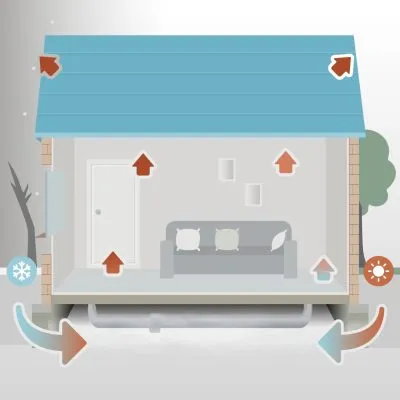
The Stack Effect
Almost half of the air you breathe in your home comes from the crawl space because of the stack effect. What is the stack effect? It sounds more complicated than it is. The stack effect describes how air circulates through your home.
Warm air rises. When air enters the crawl space through vents or other openings, it slowly warms up. As it does so, the warm air rises throughout your home. It travels through living spaces until it escapes through the roof. The air coming from your crawl space carries with it airborne mold and dust, and even pest droppings. Not only is unhealthy air circulated throughout your home, but this air movement also makes for a drafty living environment. This often causes homeowners to turn down the AC in the summer and turn up the heat in the winter. This increased energy usage can cost you big bucks in the long run.
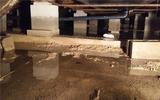
Moisture In the Crawl Space
Standing water in your crawl space is always a problem. Even if the water evaporates quickly, water vapor remains and can cause mold and mildew growth. Mold needs three things to grow: water, food, and oxygen. Your crawl space provides all three. Especially in the hot, humid summers, where heavy rainfall is not uncommon.
Mold and mildew alone cause problems like musty odors, but they can also steal value from your home by damaging its structural stability. Mold uses wood as its “food,” and since wood structures hold up much of your crawl space, it’s essential to address water and moisture problems in your crawl space before they cause damage to your wood structures.
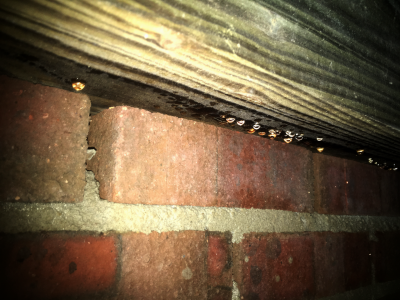
Humidity
Arguably, the most common crawl space problem is humidity. Humid air can enter the crawl space from any unsealed opening, often open vents, a dirt floor, or through the foundation walls.
When the temperature and humidity levels reach a threshold, condensation occurs. The process of water vapor turning back into a liquid can lead to serious issues for the wood structures supporting your home. Addressing crawl space humidity levels is key to a healthy home.
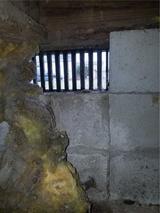
Open Crawl Space Vents
At one point, building codes recommended installing crawl space vents at the time of construction. The idea, although flawed, seemed to make sense. Open vents would allow the crawl space to dry out. However, as time went on, we now know more about how air and humidity act in a crawl space and understand that open vents actually have the opposite effect.
Open vents allow humid air into the crawl space, but instead of drying it and flowing out, the air flows up and into your living space. This humid air carries with it all kinds of harmful particles like mold, dust, and even pest droppings.
No Vapor Barrier
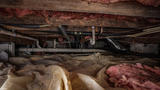
A dirt crawl space lacking a vapor barrier on the floor can be a significant cause of damage. This is because the exposed ground is not only dirty but also a main source of moisture. During rain, groundwater can quickly rise, making water pooling common. Even when water levels aren’t particularly high, moisture or humidity can readily travel through the exposed earth and into the crawl space.
Additionally, builders often install the bare minimum, a 6-mil liner, to meet code. However, this thin, damage-prone liner is not enough to protect the crawl space properly.
Poor Drainage and Improper Grading
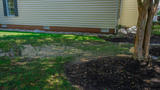
A drainage system is typically installed outside the perimeter of your home when it is built. However, this system is prone to clogging over time since it sits in the mud and is easily damaged by tree roots. When this drain system breaks down, water collects next to the foundation, leading to leaks and damage.
Ensuring your home’s exterior landscaping is graded away from your home is vital. This means water runs away rather than towards your foundation. The simple process means the difference between water saturating the soil around your home and adding pressure to your foundation walls or being directed away.
Plumbing Leaks
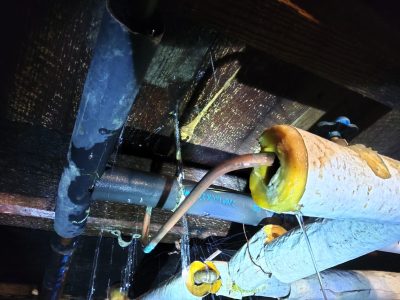
Plumbing leaks are often not considered when contemplating water in your crawl space. A crawl space was constructed to house much of your home’s plumbing, so a leak there can spell disaster. It’s important to have plumbing regularly inspected, and in the winter, when freezing temperatures hit, follow procedures to avoid frozen and burst pipes.
Although none of our crawl space encapsulation repairs can help with plumbing leaks, an encapsulated crawl space is a warmer crawl space, making frozen pipes a problem of the past.
Understanding these common causes is the first step toward protecting your home from costly crawl space damage. Regular inspections and prompt attention to warning signs can help you address problems before they escalate into major structural concerns.
How Do I Fix Crawl Space Problems?
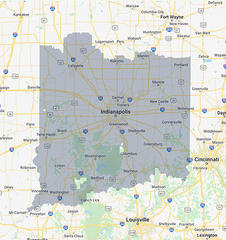
Every crawl space is different and requires targeted repairs. Our team at Indiana Foundation Service has more than 30 years of experience with encapsulating and repairing crawl spaces throughout the state. After a free inspection of your crawl space, we may recommend the following solutions:
- Interior drains and a sump pump to capture and remove leaking water
- Vapor barriers to seal the crawl space
- Insulation panels for better climate control
- Dehumidifiers to control humidity and improve air quality
- Crawl space jacks for structural support
While each system has a specific function, all of these solutions work together to give you a safe, healthy, and stable crawl space and home.
Repair and Protect Your Crawl Space with Expert Help
Crawl space issues quickly worsen if left unchecked, but professional repairs restore safety and stability to your home. The experts at Indiana Foundation Service provide thorough inspections to pinpoint the root cause of damage and recommend customized, long-term solutions.
Our team uses proven techniques and high-quality products designed to permanently protect your crawl space and prevent future issues. Schedule your free inspection today to safeguard your home, improve air quality, and ensure a healthier living environment for years to come.
Crawl Space Damage Causes FAQs
While it is possible for a handy homeowner to undertake this project, professional installation is recommended to ensure it’s done correctly, as improper encapsulation can lead to further moisture issues.
Yes, encapsulation can significantly improve indoor air quality by preventing damp, musty air from rising into your living spaces from below.
Musty smells in your crawl space are common but not healthy. They indicate problems like mold and moisture that need immediate attention. Trust Indiana Foundation Service to eliminate musty crawl space smells. Contact us for information and a free crawl space inspection.
Related Resources

Holly Richards-Purpura
Publish Date:
Last Modified Date:
Our Locations
624 North Front Street
Whiteland, IN 46184
2731 Albright Rd
Kokomo, 46902
8 N 3rd St
Lafayette, IN 47901