
Keep Water Out: Proven Ways to Waterproof Your Basement Walls
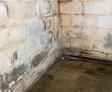
Your basement walls could be crying out for help, especially if you notice trickles of water, cracks, or damp areas.
Wet basement walls are common in many Indiana homes, but that doesn’t mean you have to live with them. Investing in appropriate basement waterproofing solutions, including waterproofing basement walls from inside, is a vital step in protecting your home from moisture and long-term structural damage.
In this guide, we’ll outline the essential dos and don’ts of basement wall waterproofing and explain how Indiana Foundation Service can provide a reliable, lasting solution for your home.
What Causes Wet Basement Walls?
Sources of wall leaks range from hydrostatic pressure-produced cracks to failing moisture management measures. It’s important to understand how water gets into your basement so you can apply the best repair. The main factors that contribute to water leaks through walls include:
Failing Moisture Barriers & Drainage
Your home’s original construction included protective measures like tar coating and footing drains around the foundation. While these help manage moisture, they aren’t perfect solutions. The exterior dampproofing merely slows water vapor rather than stopping it completely. These barriers naturally break down with age, and drains often collect debris and become blocked. These conditions create make basement walls and the cove joint (where your wall meets the floor) particularly vulnerable to leaks.
Soil Pressure
During your home’s construction, workers fill the space around your foundation with soil, creating what’s known as a “clay bowl.” This backfilled earth tends to hold water, especially if it is expansive clay soil that is common throughout Indiana. During heavy rains or when snow melts, the saturated soil expands. This creates intense hydrostatic pressure against your basement walls, leading to cracks, bowing, and water intrusion.
Natural Concrete Weakness
Despite being strong and long-lasting, concrete is inherently flawed due to its porous nature. Think of it as a solid sponge: tiny channels and spaces throughout the material allow water to gradually work its way through, resulting in wet basement walls.
Condensation
High humidity levels and inadequate ventilation can result in condensation on surfaces, contributing to a damp environment, dripping water, and damp basement surfaces.
What Are Signs of Wet Basement Problems?
Damp spots and discoloration on basement walls are often accompanied by other basement issues, such as flooding and mold. Knowing how to spot signs of basement leaks ensures a dry living space. Look for these common symptoms:
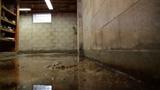
- Flooding: Puddles or standing water in the basement (especially after rain or snowmelt) are signs of drainage issues.
- Mold Growth: Mold thrives in damp environments. Visible mold on walls, floors, or belongings points to excess moisture.
- Efflorescence: White, powdery deposits on basement walls indicate the presence of dissolved minerals, often brought in by water.
- Leaky Windows: Water stains, rot, or visible leaks around windows suggest potential entry points for water.
Recognizing these problem signs early allows you to take prompt action, preventing potential structural damage and reducing the risks associated with water intrusion.
The Dos and Don’ts of Waterproofing Basement Walls
Basement waterproofing, including waterproofing the basement walls, can be a complex undertaking. We do not recommend do-it-yourself installations, which are temporary and don’t address the cause of the problem.
Here are tasks we advise you to avoid and what you can do to aid in addressing wet basement walls. Let’s start with the list of “don’ts” first:
Don’ts
Don’t Rely on Basement Waterproofing Paint
Waterproofing paint is marketed as a simple solution for basement wall leakage. This may make sense to the untrained eye, but what you may find after applying the paint is that it has the opposite effect on your basement. Waterproof paint won’t stop the source of the leak; instead, it covers it up and insulates it between the wall and the thick layer of paint. You may notice bubbling or the paint sweating after a certain period. If you want to manage moisture effectively, specifically with waterproofing basement walls, targeting the issue at the source is your best course of action.
Don’t Only Caulk or Fill Cracks
Hairline cracks, or those roughly less than .003 inches in width, can be easily concealed without concern for the structure of your home. But when cracks grow wider, you’re dealing with a structural issue that can’t be fixed with epoxy. While it’s widely believed that sealing these cracks is the quickest fix, the cracks eventually reappear as your home settles or the soil around your home inflicts hydrostatic pressure.
Don’t Ignore Window Well Leaks
Window well leaks can be an alarming issue in your basement that progresses over time. During cold winters and spring snowmelt, a fully functioning window well and egress window are essential. While it may seem common or natural for these leaks to occur, you must take action as soon as possible.
DO

Manage Your Gutters
Your gutters are the first line against water in basement areas. Without gutters or with broken gutters, water pools around your foundation and trails into your basement. This perpetuates leakage, wet walls, puddling, and other nasty problems in your basement. While they’re an indirect protector, they’re still vital to the health of your whole basement.

Ensure Correct Yard Grading
Positive yard grading is when your home is built on the highest point in your property’s landscape. If it’s built at a lower point, water will drain toward the foundation. When this happens, your basement is more susceptible to leakage. It’s recommended to have your yard graded at least at a two to five percent slope. If this isn’t possible, you can use catch basins to collect rainwater and drain it away from your foundation and basement.

Hire a Waterproofing Expert
While it’s tempting to DIY your basement waterproofing solutions, what you may find in stores and online tutorials are mostly temporary solutions. Since online resources aren’t in your home with you, they may not be able to help you accurately diagnose your basement’s true issues. You may encounter a similar problem if you hire a general contractor who is not privy to basement-specific issues.
With a specialized basement and foundation company like Indiana Foundation Service, you can trust that your basement issues will be properly diagnosed and customized solutions built out specifically for your home.
How to Waterproof Basement Walls
Leaking walls are common in Indiana basements, so we developed a premium wall vapor barrrier system, which is a form of basement encapsulation. Our durable 12-mil vapor barrier acts as a powerful defense against moisture seeping through basement walls. This high-quality liner helps prevent water infiltration, strengthens wall protection, and ensures a cleaner, drier, and healthier basement environment for your home.
While our vapor barrier is hardy on its own, it is also designed to work in tandem with other basement waterproofing systems, such as interior drains and sump pumps, to create a comprehensive moisture management system.
Our Basement Encapsulation Process
The system works simply but effectively:
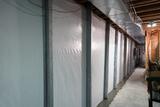
Any water that tries to seep through your walls gets caught by the barrier and directed into your interior drainage. From there, a reliable sump pump whisks it safely away from your home.
Do you have structural concerns, too? No problem. If your walls are cracking or bowing, we can reinforce them with carbon fiber straps before installing the vapor barrier or wall anchors or wall braces afterward. Everything works together as one complete system.
Our team professionally secures the barrier to your basement walls and sets up all supporting components. The result? A consistently dry basement.
Transform your damp basement into a clean, dry space you can actually use and enjoy. Our proven wall vapor barrier solution delivers lasting protection against moisture problems.
What Makes Our Wall Vapor Barrier Special
- Professional-grade 12-mil thick plastic provides superior protection
- Completely blocks water penetration
- Prevents mold growth
- Built to last 20+ years
- Seals off naturally porous concrete
- Works seamlessly with other waterproofing fixes
Investing in professional basement waterproofing is a choice you’ll benefit from for many years. Our proprietary solutions work to stop the root cause of your basement wall cracks and leaks instead of just covering them up. By targeting your home’s structural problems and implementing permanent moisture management, you can trust that your basement will last for life.
Why Waterproofing Basement Walls From Inside is the Smarter Choice
Waterproofing basement walls from the inside offers a more efficient, affordable, and minimally invasive way to keep your home dry and protected. Benefits include:
- Lower Cost: Interior waterproofing requires no exterior excavation, making it far more affordable than outdoor methods.
- Less Disruption: There’s no need to dig up landscaping, driveways, or patios, keeping your property intact during the process.
- Quick Installation: Experienced crews efficiently install interior systems, minimizing inconvenience.
By choosing interior waterproofing, you gain lasting protection against water intrusion while saving time, money, and stress.
Indiana Foundation Service is Your Partner in Basement Waterproofing

Your basement is your decision, and your home is your greatest asset. No company understands that more than Indiana Foundation Service. That’s why, when it comes to waterproofing basement areas and fixing wet basement walls, we are transparent with you every step of the way.
From providing a completely free inspection of your basement and home to offering you a no-obligation repair estimate, you can count on us throughout the entire process.
Discover the possibilities that will add safety and comfort to your basement today.
Basement Waterproofing FAQs
Yes, cracks in basement walls can create pathways for water infiltration. Over time, this water intrusion leads to moisture problems, mold growth, and structural damage.
We highly recommend seeking professional help to repair wet basement walls. DIY solutions may provide temporary relief, but they cannot match the effectiveness of a comprehensive, whole-home solution. Contact Indiana Foundation Service today to schedule a free inspection.
The time required to fix wet basement walls varies depending on the complexity of the issue, the severity of the damage, and the solutions implemented. At Indiana Foundation Service, we offer prompt and reliable solutions without compromising on quality. Feel free to contact us for a free inspection and estimate.
Related Resources

Holly Richards-Purpura
Publish Date:
Last Modified Date:
Our Locations
624 North Front Street
Whiteland, IN 46184
2731 Albright Rd
Kokomo, 46902
8 N 3rd St
Lafayette, IN 47901