
Does Homeowner’s Insurance Cover Repairing Foundation Damage?
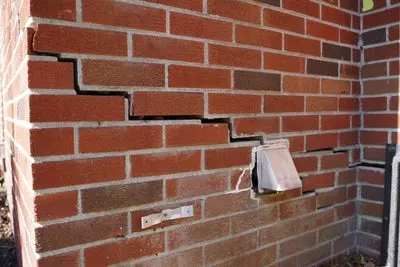
Homeowner’s insurance plays a vital role in protecting your property, but when it comes to foundation damage, coverage can be unclear. Many homeowners are unsure whether their policy covers issues like settlement, cracks, or water intrusion.
Here, we explain how insurance typically applies to foundation repair, what exclusions you should be aware of, and what steps to take if your damage isn’t covered, helping you make informed decisions before a problem worsens.
What are the Common Signs of Foundation Damage?
While cracking is the most common sign of foundation problems, you should also keep an eye out for the following symptoms:
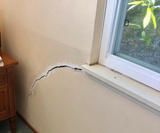
Don’t see your foundation symptom listed here? Visit our problem signs page to browse other common foundation issues.
When Does Home Insurance Cover Foundation Repair?
Many natural weather events are covered by insurance, but every homeowner’s insurance policy is unique. If the cause of your foundation crack or other damage isn’t in the policy, you will likely have to pay for all repair costs yourself.
So before signing up for a plan, take the time to read the fine print. It would help if you had an understanding of the exclusions and your responsibilities as a homeowner. That said, your home insurance should cover sudden or unforeseen issues that cause damage to your home, including:

- Natural disasters (lightning, tornadoes, and fires)
- Explosions
- Heave
- Vandalism
- Water damage caused by burst or leaking pipes
What’s Excluded From A Home Insurance Policy?
Many instances, like settling and wear and tear, fall under expected upkeep, which is why they may not be covered. Each home insurance company has its own set of exclusions and reasons why it will not pay out. Here are some of the events not covered by home insurance and why the insurer may refuse to help repair the foundation cracks or other damage.
- Normal Wear and Tear: Home insurance does not cover wear and tear. It is your responsibility as a homeowner to perform the necessary maintenance to keep your property in good condition.
- Natural Shifting and Earth Movement: Home insurance doesn’t cover the earth under your home. So you may not receive a dime for damages associated with earth movements like landslides, sinkholes, mudslides, and earthquakes. Most insurance companies consider them too risky and will not cover them.
- Foundation Settling: Generally, home insurance doesn’t cover foundation cracks caused by soil expansion or contraction and related settlement. Most insurance companies consider this cause as preventable through regular home maintenance.
- Faulty Construction: If your foundation is subpar, the chances are high that your policy will not cover any damages. The standard policy does not cover poor workmanship. Your only recourse is to seek reimbursement from the warranty, as long as it is still valid.
- Pest Infestations: Insects, rodents, and other vermin infestations don’t make it onto the list as well. Insurers consider pest control as part of the regular home maintenance process.
- Floods: Floods caused by rising water outside your home, like torrential rain or overflowing rivers, are not covered.
Usually, insurers will not pay out for these reasons because they deem them preventable risks. While this may seem utterly unfair, it’s your responsibility to do due diligence before buying a property and to keep it in good condition once you move in.
What Can I Do When Insurance Doesn’t Cover Foundation Damage?
Seeking professional assistance is the next best step if your homeowner’s insurance doesn’t cover foundation damage. You still have several effective paths forward to protect your home and finances, including:

- Get a Professional Assessment: Start by contacting a trusted foundation repair specialist, such as Indiana Foundation Service, for a free inspection and detailed estimate. This helps you understand the extent of the damage and the expected repair costs.
- Explore Financing Options: Many reputable repair companies offer flexible payment plans or in-house financing to make essential repairs more affordable without delaying critical work.
- Research Grants and Assistance Programs: Look into local or state home repair grants that may help offset costs, especially for structural or safety-related repairs.
- Review and Negotiate Insurance Coverage: If your damage resulted from a covered event, like a natural disaster or plumbing leaks, discuss it with your insurance provider. You may be able to demonstrate that the foundation issues were caused by a covered peril, increasing your chances of partial reimbursement.
Even if your policy doesn’t cover foundation repairs, you’re not out of options. With professional guidance and proactive planning, you can restore your home’s stability and prevent further damage.
How Can Indiana Foundation Service Help Me?
If you discover that your foundation damage is not covered by your insurance, it’s crucial to take immediate action to address the issue before it worsens. Unrepaired foundation damage can lead to more severe structural problems, potentially compromising the safety and value of your home.
As you navigate these challenges, consider reaching out to a reputable specialist. Indiana Foundation Service customizes repairs to meet your home’s unique needs and your budget. These permanent stabilization solutions include wall anchors and wall braces for bowing walls, foundation piers to correct foundation settlement, and basement waterproofing and crawl space encapsulation systems to protect against moisture.
Don’t let the problem escalate. Contact Indiana Foundation Service today to secure the foundation of your home and protect your investment.
Home Insurance and Foundation Repair FAQs
Many insurers offer additional coverage options, such as endorsements or riders, that can be purchased to cover perils not included in the standard policy, like earthquakes.
To file a claim, document the damage with photos, gather any relevant repair estimates, and contact your insurance provider as soon as possible to start the claims process.
Insurance companies typically send an adjuster or a foundation specialist to assess the damage and determine if the cause is covered under your policy.
Related Resources



Holly Richards-Purpura
Publish Date:
Last Modified Date:
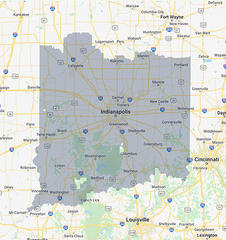
Our Locations
624 North Front Street
Whiteland, IN 46184
2731 Albright Rd
Kokomo, 46902
8 N 3rd St
Lafayette, IN 47901