
The Ultimate Guide to Basement Waterproofing for Indiana Homeowners

Does peering into the depths of your basement remind you of scenes from Indiana Jones? Are you worried you’ll be met with a bug-infested cave like in The Temple of Doom? Or how about the flooded catacombs in The Last Crusade?
Maybe that’s overdramatizing, but moisture problems can make your basement feel like a nightmare. These conditions certainly are not considered normal, but they are common in Indiana homes, making basement waterproofing a necessity.
This can be a complex undertaking, but we’re here to simplify it. Our comprehensive guide to basement waterproofing in Indiana covers the common symptoms, causes, and how to waterproof a basement, so you can make the best decision for your home.
- What Is Basement Waterproofing?
- What Are Common Signs of Basement Water Problems?
- Why Does My Basement Have Moisture Issues?
- How Can I Protect My Basement From Moisture?
- How Do I Choose the Right Basement Waterproofing Systems?
- How To Waterproof A Basement in Indiana
- What Are the Benefits of Waterproofing A Basement?
- The Next Steps: Get A Free Basement Waterproofing Inspection Today!
What Is Basement Waterproofing?
Waterproofing a basement involves installing various appliances, like sump pumps, to keep your home dry. Protecting your home from water intrusion with basement waterproofing systems is crucial to avoid damage to your home’s structure and belongings.
In Indiana, many homeowners attempt DIY waterproofing with quick fixes like exterior coatings, wall sealants, or off-the-shelf sump pumps. These measures may provide short-term relief, but they often fail to address the underlying cause of moisture problems.
The truth is, there’s no universal fix for a waterproof basement. The most reliable solutions are tailored to your home’s specific challenges and conditions.
What Are Common Signs of Basement Water Problems?
Telltale basement issues range from visible leaks to a damp environment. Knowing how to spot signs of basement leaks ensures a dry living space. Look for these common symptoms:
Early Signs to Watch For
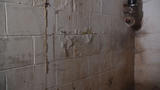
- A damp, musty smell—especially noticeable after it rains
- Indoor humidity consistently above 50%
- Condensation or wetness on windows, pipes, or walls
- White, chalky residue (efflorescence) on basement walls
- Slight discoloration or small water marks
- Bubbling or peeling paint and wallpaper
- Occasional damp spots that worsen during spring melt or after storms
More Severe Water Concerns
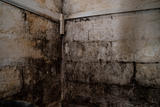
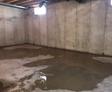
- Pools of standing water in the basement
- Ongoing leaks through the walls or floor
- Large cracks in walls or floors with signs of moisture
- Structural damage, such as bowing walls or foundation shifting
- Noticeable mold or mildew growth
- Decaying wood or ruined personal items
- Regular flooding during periods of heavy rain
Seeing these signs can be unsettling, and it’s easy to put off repairs. However, delaying action often leads to more costly damage. Addressing moisture issues early with the right basement waterproofing systems is the best way to protect your home.
Still unsure? Talking to an expert is the easiest way to find out exactly what’s going on and how to fix it.
Why Does My Basement Have Moisture Issues?
A wet basement can happen for many reasons, from hydrostatic pressure to malfunctioning drainage systems. These moisture issues can be traced to many causes, including:
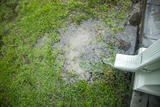
- Clay-rich Soil: Soil with significant amounts of clay retains water, creating hydrostatic pressure against foundation walls that leads to cracks and leaks.
- Poor Drainage: Improper grading around your home or clogged footing drains cause water to pool next to the foundation and leak inside.
- Seasonal Precipitation: Indiana’s copious rainfall and snowmelt saturate the soil.
- Aging Foundation: Natural settling and concrete wear contribute to leaks.
- Ineffective Sump Pump: A malfunctioning or undersized sump pump can fail to remove water from the basement efficiently.
These factors render a waterproof basement in Indiana both a challenging endeavor and a crucial necessity for safeguarding your home.
How Can I Protect My Basement From Moisture?
Waterproofing a basement can be accomplished with expertly installed solutions. Professional basement waterproofing systems are the most effective repair and protection solutions, but you can also take charge of the process beforehand with simple evaluations and preemptive measures.
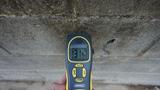
DIY Basement Inspection Checklist
- Feel the walls and floor for dampness and cracks
- Look for visible water puddles and mold growth
- Pay attention to how water drains after rain
- Measure humidity levels
- Note any unpleasant, musty odors
Preventative Tips
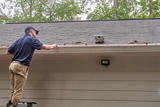
- Install and maintain gutters and downspouts (cleaning gutters twice a year)
- Add downspout extensions that stretch at least 5 feet away from the foundation
- Ensure soil slopes away from your home
- Plant trees safely away from your foundation (at least 15 feet)
- Regularly test your sump pump for proper operation
Keep in mind that while this DIY inspection offers useful insights, a professional evaluation can uncover hidden problems you might overlook. It will also provide customized home waterproofing solutions tailored to your home’s specific needs.
How Do I Choose the Right Basement Waterproofing Systems?
From your home’s location to the extent of damage, you must consider several things before choosing a basement waterproofing plan. How you create a waterproof basement in your home is entirely up to you. Remember that DIY quick fixes temporarily mask the problem, and professional systems are the way to go.
That said, the right basement waterproofing systems for your home depend on several factors, including:
- The Location of Your Home: Soil types vary across Indianapolis and Central Indiana, which can influence the most effective waterproofing strategy.
- The Extent of the Problem: A small moisture issue might only need a basic interior basement waterproofing fix, while major flooding calls for a more robust, full-system approach.
- Your Future Plans: Taking the time to install a comprehensive system now can help you avoid expensive repairs down the line.
Unsure what solution fits your home? Don’t be afraid to talk to trusted professionals in your area. Indiana Foundation Service provides personalized basement waterproofing designed for the unique conditions found in Indianapolis and surrounding communities.
How To Waterproof A Basement in Indiana
You have many options for waterproofing basement areas with moisture problems, but not all of them are created equal. Many exterior solutions are temporary, failing due to exposure to the elements.
Indiana Foundation Service offers a range of proven interior basement waterproofing solutions to protect your home against water intrusion. Each unique solution addresses specific challenges and circumstances to provide you with customized protection. With a well-rounded plan of action, we ensure your basement is secure and dry. Our comprehensive system includes:

Interior Drainage System
At Indiana Foundation Service, we understand how frustrating it can be when footing drains fail. That’s why our BasementGutter™ Interior Drainage System captures and redirects water seepage along the perimeter of the basement floor. This clog-free system effectively channels water to a sump pump, ensuring a swift and efficient removal process.

Sump Pumps
Sump pumps are a cornerstone in keeping your basement dry. We place them at the lowest point of your basement to pump any interior water out of and away from your home’s foundation. These robust pumps effectively remove accumulated water from the sump basin, preventing potential flooding. Their reliability and efficiency make them a crucial component of any interior basement waterproofing strategy. If flooding and power outages are common where you live, a battery backup pump provides continued operation and peace of mind.

Basement Wall Vapor Barrier
Our basement wall vapor barrier serves as a protective shield to address moisture penetration through the basement walls. This 12-mil-thick, high-quality barrier reduces the risk of water infiltration, enhancing the basement walls’ overall resilience against potential damage. This method immediately addresses any issues with wet walls, so you can enjoy a dry basement.
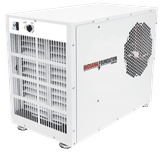
Basement Dehumidifier
Installing a high-quality basement dehumidifier is an effective way to maintain optimal humidity levels in the basement. These systems are compact yet powerful enough to remove up to 100 pints of water from the air daily. Dehumidifiers discourage mold growth and enhance indoor air quality by reducing excess moisture in the air.
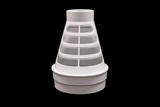
Frozen Discharge Line Protection
Discharge lines should remove water from your basement year-round, but they may not be able to during winter if they are frozen or clogged. To prevent leaks, backups, or freezing, add the special FreezeGuard™ attachment to the base of the exterior drain pipe. Water will continue flowing, and your sump pump will be able to operate without problems.
What Are the Benefits of Waterproofing A Basement?
Proper waterproofing prevents damage, creates a safer and healthier living environment, and provides other benefits, including.
Basement waterproofing is more than a home improvement project; it’s a long-term investment in your home’s safety, comfort, and value. Taking action now ensures peace of mind for years to come.
The Next Steps: Get A Free Basement Waterproofing Inspection Today!

If you notice moisture in your basement, it’s important to act before the issue escalates. Keeping your basement dry isn’t only about stopping water intrusion; it’s also key to maintaining your home’s value, safeguarding your possessions, and promoting a healthier living space for your family.
At Indiana Foundation Service, we are basement waterproofing specialists with over 30 years of experience serving homes with waterproofing needs across the state. We aim to provide you with peace of mind in knowing your home is dry and secure. Book a free inspection with our team so that we can provide you with customized interior basement waterproofing solutions to fit your needs.
Basement Waterproofing FAQs
Regular maintenance includes checking and cleaning your gutters, inspecting your sump pump to ensure it’s functioning properly, and monitoring any cracks in the walls for changes. You can take advantage of Indiana Foundation Service’s annual maintenance programs to ensure your basement waterproofing systems are in top shape.
When it rains, water inevitably finds its way into your basement. Basement leaks occur due to the permeability of basement walls and floors, particularly when the ground is saturated. Another common entry point for water is through the wall-floor joint.
The cost of fixing water issues in your basement varies based on factors like the extent of the damage and the solutions needed. It’s important to address the problem as soon as possible to prevent further damage and costly repairs down the road. Don’t hesitate to get in touch with us for a free, no-obligation inspection, transparent pricing, and flexible financing options.
Related Resources

Holly Richards-Purpura
Publish Date:
Last Modified Date:
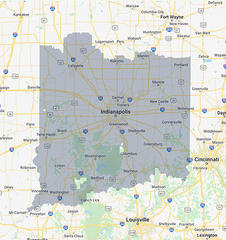
Our Locations
624 North Front Street
Whiteland, IN 46184
2731 Albright Rd
Kokomo, 46902
8 N 3rd St
Lafayette, IN 47901